
- +86-13363869198
- weimiaohb@126.com

Apr . 01, 2024 17:55 Back to list
Polypropylene medicine business Container Performance Analysis
Introduction
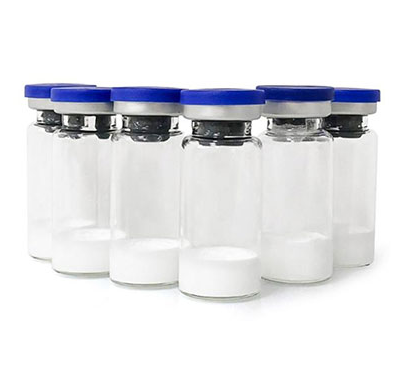
Pharmaceutical-grade Polypropylene (PP) injection containers represent a critical component in the modern pharmaceutical supply chain. This guide details the material science, manufacturing processes, performance characteristics, and potential failure modes associated with these containers, specifically focusing on those used for injectable and sterile fluid packaging. PP’s selection isn’t arbitrary; its inherent chemical resistance, low cost, and processability make it a preferred material for a wide range of pharmaceutical applications. The industry currently grapples with increasingly stringent regulatory requirements for container closure integrity (CCI) and extractables/leachables, demanding a thorough understanding of PP’s properties and manufacturing controls. This document will provide a deep dive into these critical areas, addressing the core challenges faced by pharmaceutical manufacturers and procurement specialists.
Material Science & Manufacturing
The base material, polypropylene, is a thermoplastic polymer produced through the polymerization of propylene monomer. Pharmaceutical-grade PP necessitates a highly controlled polymerization process to minimize residual monomer content, catalyst residues, and the formation of unwanted by-products. Key properties include a glass transition temperature (Tg) around -20°C to 0°C and a melting point typically between 130°C and 171°C, dependent on tacticity (isotactic, syndiotactic, atactic). Isotactic PP, possessing a regular stereochemical structure, is predominantly used due to its higher crystallinity and mechanical strength. Manufacturing typically employs injection molding. Critical parameters during injection molding include melt temperature (200-240°C), mold temperature (20-60°C), injection pressure (70-150 MPa), and cooling rate. Variations in these parameters directly impact crystallinity, shrinkage, and residual stress within the container wall. Post-molding annealing is frequently employed to relieve residual stress and improve dimensional stability. Container closure systems often require additional processing steps like gamma irradiation for sterilization, potentially impacting PP’s physical properties through chain scission. The molecular weight distribution and the presence of additives, like antioxidants and clarifiers, are crucial in dictating the long-term performance of the container.
Performance & Engineering
The primary performance requirement for PP injection containers is maintaining container closure integrity (CCI) – preventing the ingress of microorganisms and oxygen, and preventing the loss of drug product. This is assessed through leak testing (e.g., vacuum decay, pressure decay, helium leak testing) and microbial ingress studies. Mechanical performance is also critical; containers must withstand handling, shipping, and administration stresses. Force analysis centers on hoop stress during filling and vacuum/pressure differentials during storage and transport. Environmental resistance is another key consideration. While PP exhibits good resistance to many chemicals, prolonged exposure to certain solvents (e.g., chlorinated hydrocarbons) can cause swelling and cracking. UV exposure can lead to chain degradation and embrittlement, particularly in the absence of UV stabilizers. Compliance with pharmacopoeial standards (USP, EP, JP) regarding extractables and leachables is paramount. Extractables are compounds that can migrate from the container material under exaggerated conditions (e.g., high temperature, aggressive solvents), while leachables are those that migrate under normal storage conditions. Engineering tolerances are critical, ensuring dimensional consistency for compatibility with automated filling and closing lines.
Technical Specifications
| Parameter | Unit | Specification (Typical) | Test Method |
|---|---|---|---|
| Tensile Strength | MPa | 20-30 | ASTM D638 |
| Elongation at Break | % | 100-300 | ASTM D638 |
| Izod Impact Strength | J/m | 3-5 | ASTM D256 |
| Water Absorption (24hr) | % | ≤0.03 | ASTM D570 |
| Vicat Softening Point | °C | 150-160 | ASTM D1525 |
| Oxygen Transmission Rate (OTR) | cc/container/day | ≤0.5 | ASTM D3985 (modified) |
Failure Mode & Maintenance
Common failure modes include stress cracking (particularly at weld lines or areas of high stress concentration), environmental stress cracking (ESC) due to exposure to incompatible fluids, fatigue cracking from repeated handling, and crazing (formation of micro-cracks) induced by UV exposure. Container deformation due to improper storage or handling can also compromise CCI. Delamination can occur if incompatible layers are present in multi-layer containers. Oxidation can lead to degradation of the PP matrix, resulting in reduced mechanical properties. Maintenance primarily focuses on proper storage conditions (avoiding direct sunlight, extreme temperatures, and contact with incompatible chemicals) and implementing rigorous quality control procedures during filling and closing. Regular visual inspection for cracks, deformation, or discoloration is crucial. CCI testing should be performed periodically to verify container integrity. In the event of suspected container failure, a thorough failure analysis (including microscopic examination, chemical analysis, and mechanical testing) is necessary to determine the root cause and implement corrective actions.
Industry FAQ
Q: What is the impact of gamma irradiation on the mechanical properties of PP containers?
A: Gamma irradiation induces chain scission in PP, leading to a reduction in molecular weight and consequently, decreased tensile strength, elongation at break, and impact resistance. The extent of degradation depends on the radiation dose and the presence of stabilizers. It’s crucial to qualify the PP resin for radiation resistance and monitor mechanical properties after irradiation to ensure continued performance.
Q: How does the choice of mold design affect the crystallinity and mechanical properties of injection-molded PP containers?
A: Mold design significantly impacts cooling rate and residual stress distribution. Faster cooling rates generally lead to higher crystallinity and increased stiffness, but also higher residual stress. Optimizing gate location, vent placement, and cooling channel design is critical to minimize warpage and ensure uniform crystallinity throughout the container wall. Mold flow analysis can be used to predict these effects.
Q: What are the common extractables of concern from PP containers and how are they monitored?
A: Common extractables include residual monomer (propylene), catalyst residues (e.g., Ziegler-Natta catalysts), antioxidants, and oligomers. They are typically monitored using Gas Chromatography-Mass Spectrometry (GC-MS) and Liquid Chromatography-Mass Spectrometry (LC-MS) under ICH guidelines. Regulatory requirements dictate acceptable limits for each extractable.
Q: What is the significance of USP Class VI certification for PP containers?
A: USP Class VI certification demonstrates that the PP material has passed a series of biocompatibility tests, ensuring it is safe for contact with pharmaceutical products. These tests assess cytotoxicity, sensitization, irritation, and systemic toxicity. It’s a crucial requirement for many pharmaceutical applications and provides assurance of patient safety.
Q: How do different types of antioxidants affect the long-term stability of PP containers?
A: Antioxidants prevent oxidative degradation of PP during processing and storage. Primary antioxidants (e.g., hindered phenols) act as radical scavengers, while secondary antioxidants (e.g., phosphites) decompose hydroperoxides. The choice of antioxidant depends on the processing conditions and the intended application. Synergistic blends of antioxidants often provide superior long-term stability.
Conclusion
Pharmaceutical-grade PP injection containers are a vital, yet complex, component of the pharmaceutical industry. Achieving optimal performance requires a comprehensive understanding of the material’s inherent properties, meticulous control of the manufacturing process, and rigorous quality assurance testing. The challenges surrounding CCI, extractables/leachables, and environmental resistance necessitate continuous monitoring and adherence to stringent regulatory guidelines.
Future developments will likely focus on the incorporation of advanced materials (e.g., barrier resins, nanocomposites) to enhance performance and address emerging industry needs. Sustainability considerations are also driving innovation, with increased emphasis on the use of recycled PP and bio-based alternatives. Collaboration between material suppliers, container manufacturers, and pharmaceutical companies is essential to navigate these evolving challenges and ensure the safe and effective delivery of life-saving medications.