
- +86-13363869198
- weimiaohb@126.com

Apr . 01, 2024 17:55 Back to list
Pharmaceutical Packaging medicine brands Materials and Performance Analysis
Introduction
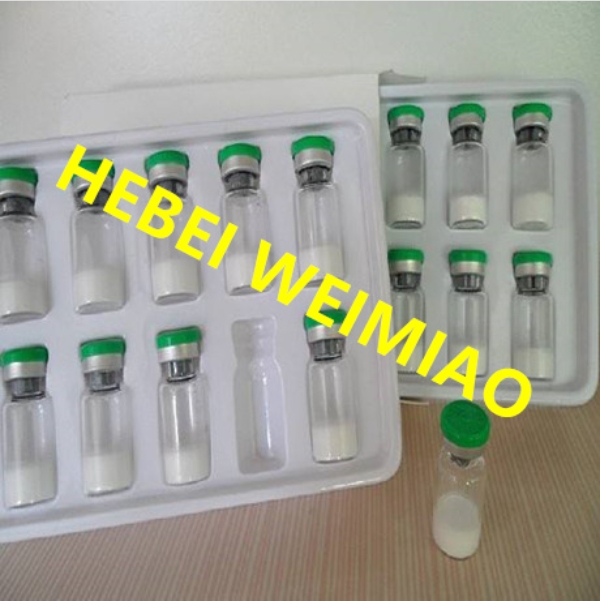
Pharmaceutical packaging, encompassing vials, ampoules, blister packs, and closures, constitutes a critical element in the preservation of drug efficacy and patient safety. This guide details the materials science, manufacturing processes, performance characteristics, failure modes, and regulatory compliance surrounding these essential components. The industry faces increasing pressure to balance cost-effectiveness with stringent requirements for barrier properties, leachables and extractables control, and compatibility with diverse pharmaceutical formulations. The transition towards serialized packaging and track-and-trace technologies further complicates material selection and manufacturing protocols. A core performance characteristic is maintaining sterility and preventing contamination throughout the product lifecycle, from manufacturing to patient administration. This necessitates rigorous quality control and adherence to pharmacopoeial standards.
Material Science & Manufacturing
Common materials for pharmaceutical packaging include glass (Type I borosilicate being the gold standard for injectables due to its low leachability), various plastics (polypropylene, polyethylene, polyvinyl chloride, cyclic olefin polymers), and aluminum foil. Glass manufacturing involves melting a precise composition of silica, soda ash, and lime, followed by forming techniques like blowing or pressing. Critical parameters include annealing temperature and surface treatment to minimize defects and ensure hydrolytic resistance. Plastic packaging relies heavily on polymerization processes – addition or condensation – with control over molecular weight distribution and crystallinity influencing barrier properties and mechanical strength. Injection molding and thermoforming are dominant manufacturing methods. Aluminum foil is produced through rolling, and its barrier performance is enhanced by lacquering or coating with polymers. The choice of material is dictated by drug stability, compatibility (avoiding plasticizer migration or drug-material interaction), sterilization method (autoclave, gamma irradiation), and dosage form (solid, liquid, semi-solid). Chemical compatibility studies, including extractables and leachables testing, are paramount throughout material selection and validation.
Performance & Engineering
Performance criteria are centered around maintaining the integrity of the drug product. Barrier properties – oxygen transmission rate (OTR) and water vapor transmission rate (WVTR) – are crucial for preventing degradation. Mechanical strength, evaluated through tensile testing and impact resistance, ensures the packaging withstands handling and transportation stresses. Closure systems must provide a hermetic seal to prevent ingress of moisture and contaminants. Sterilization processes, such as autoclaving (steam sterilization) or gamma irradiation, impose thermal or radiation stress on packaging materials. Stress analysis via finite element modeling (FEM) is used to optimize packaging design and predict failure points. Compliance with USP <661.1> (Packaging Materials) and EP 3.2.1 (Plastic Materials) dictates testing protocols for leachables and extractables, ensuring no harmful substances migrate into the drug product. The degradation of polymers due to UV exposure is also a critical consideration, requiring the incorporation of UV stabilizers or the use of amber-colored glass or plastic.
Technical Specifications
| Material | Oxygen Transmission Rate (OTR) - cc/m²/day | Water Vapor Transmission Rate (WVTR) - g/m²/day | Tensile Strength (MPa) |
|---|---|---|---|
| Borosilicate Glass (Type I) | < 0.001 | < 0.1 | N/A |
| Polypropylene (PP) | 10-30 | 2-5 | 20-40 |
| Polyethylene (PE) | 20-50 | 5-10 | 15-30 |
| Polyvinyl Chloride (PVC) | 5-15 | 3-7 | 40-60 |
| Cyclic Olefin Polymer (COP) | < 1 | < 0.5 | 50-70 |
| Aluminum Foil | < 0.001 | < 0.01 | 70-100 |
Failure Mode & Maintenance
Common failure modes include stress cracking in plastics due to prolonged exposure to solvents or mechanical stress, glass breakage from impact or thermal shock, delamination of coatings, and corrosion of metal closures. Plasticizer migration can compromise the mechanical properties of the packaging and potentially contaminate the drug product. Leachables can arise from the packaging material itself, impacting drug safety and efficacy. Fatigue cracking in closures can lead to loss of sterility. Preventative maintenance involves regular inspection for visual defects, monitoring environmental conditions (temperature, humidity, UV exposure), and implementing robust quality control procedures. Proper storage of packaging materials is essential to minimize degradation. For glass packaging, careful handling to avoid chipping or scratching is critical. For plastics, compatibility testing with the specific drug formulation is paramount. Root cause analysis of failures should be conducted to identify and address underlying issues in the manufacturing process or material selection.
Industry FAQ
Q: What are the primary concerns regarding leachables and extractables in pharmaceutical packaging?
A: The main concerns revolve around the potential for these substances to impact drug safety and efficacy. Leachables can alter the drug's chemical composition, reduce its potency, or elicit adverse reactions in patients. Regulatory agencies like the FDA and EMA have stringent guidelines for assessing and controlling leachables and extractables, requiring comprehensive testing and risk assessment.
Q: How does sterilization method influence the choice of packaging material?
A: Different sterilization methods impose different stresses on packaging. Autoclaving requires materials with high thermal stability and resistance to steam degradation. Gamma irradiation can cause polymer chain scission and discoloration. Ethylene oxide sterilization necessitates materials compatible with the gas and capable of removing residual EO. Material selection must align with the chosen sterilization process to maintain packaging integrity and drug stability.
Q: What is the role of barrier properties in extending drug shelf life?
A: Effective barrier properties – low OTR and WVTR – prevent drug degradation caused by oxidation or moisture ingress. Maintaining a stable drug product throughout its shelf life is crucial for ensuring its efficacy and safety. The appropriate barrier properties are determined by the drug's sensitivity to oxygen and moisture.
Q: What are the key considerations when selecting a closure system for a sterile injectable?
A: The closure system must provide a hermetic seal to prevent microbial contamination and maintain sterility. Materials should be compatible with the drug formulation and sterilization process. The closure must be designed to prevent particle generation and ensure consistent performance. Regulatory compliance with USP <788> (Particulate Matter in Injections) is essential.
Q: How are regulatory requirements impacting the design and material selection for pharmaceutical packaging?
A: Regulations such as USP, EP, and FDA guidelines are driving a trend towards more sophisticated packaging materials and designs. Increased emphasis on patient safety, drug traceability (serialization), and tamper evidence are influencing material selection and manufacturing processes. Compliance requires rigorous testing, validation, and documentation.
Conclusion
Pharmaceutical packaging represents a complex interplay of materials science, engineering principles, and regulatory demands. Maintaining drug product integrity and patient safety necessitates a thorough understanding of material properties, manufacturing processes, and potential failure modes. The continuous evolution of drug formulations and regulatory requirements demands ongoing innovation in packaging technologies, focusing on enhanced barrier properties, reduced leachables, and improved sustainability.
Future trends will likely include the increased adoption of bio-based and biodegradable polymers, the development of smart packaging with embedded sensors for monitoring drug quality, and the integration of advanced track-and-trace technologies to combat counterfeiting and ensure supply chain security. A holistic approach, encompassing material selection, design optimization, and rigorous quality control, is paramount for delivering safe and effective medications.