
- +86-13363869198
- weimiaohb@126.com

Apr . 01, 2024 17:55 Back to list
Pharmaceutical Packaging medication manufacturers Material Science and Engineering
Introduction
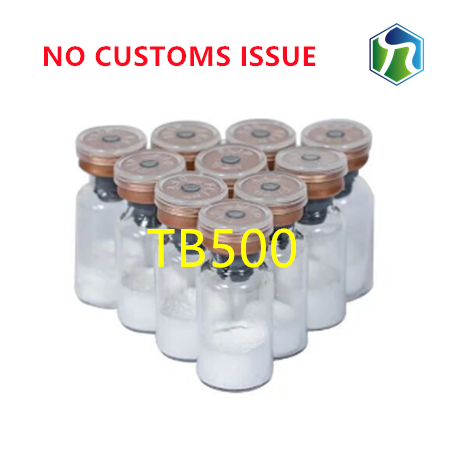
Pharmaceutical packaging, specifically containers and closures for sterile and non-sterile medications, represents a critical component of the broader medication manufacturing process. It isn't merely a vessel for delivery; it's an integral part of the drug product itself, directly influencing stability, efficacy, and patient safety. This guide focuses on the engineering and material science aspects of primary pharmaceutical packaging – vials, ampoules, syringes, stoppers, and closures – considering the unique demands imposed by stringent regulatory compliance and the diverse chemical and physical properties of pharmaceutical formulations. The industry grapples with consistent challenges regarding extractables and leachables, maintaining sterility, ensuring compatibility with aggressive formulations, and adapting to increasingly sophisticated drug delivery systems. Packaging materials must meet rigorous standards to prevent degradation of the drug product, maintain its potency, and protect patients from contamination, making a thorough understanding of material properties and manufacturing processes paramount. Core performance indicators include barrier properties against oxygen, moisture, and light; chemical inertness; mechanical strength; and the ability to withstand sterilization processes.
Material Science & Manufacturing
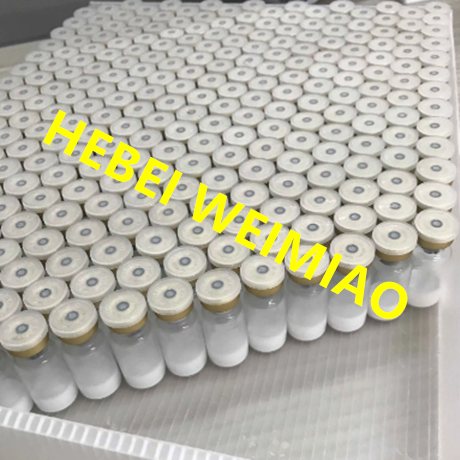
Pharmaceutical packaging materials broadly fall into three categories: glass, plastics, and elastomers. Glass, particularly Type I borosilicate glass, is favored for injectable drugs due to its exceptional inertness and barrier properties. Its manufacturing involves melting a precise mixture of silica, boron oxide, and other constituents, followed by forming processes like tubing draw or press-and-blow. Critical parameters include glass composition control (to minimize heavy metal content), annealing to reduce stress, and surface treatment to enhance hydrolytic stability. Plastics, such as polypropylene (PP), polyethylene (PE), and polyvinyl chloride (PVC), are widely used for oral solid dosage forms and some liquid formulations. Their manufacturing typically involves polymerization of monomers followed by processes like injection molding, blow molding, or thermoforming. Control over molecular weight distribution, crystallinity, and the addition of stabilizers (UV, antioxidants) are crucial. Elastomers, primarily butyl rubber and bromobutyl rubber, are used for stoppers and closures. They are manufactured through copolymerization of isobutylene with a small amount of isoprene. Vulcanization, the crosslinking process, significantly influences the elastomer's strength, elasticity, and resistance to permeation. Material selection is dictated by the drug’s pH, viscosity, and chemical reactivity. Extractables and leachables studies are essential to ensure the packaging doesn’t compromise drug safety. The manufacturing process for all these materials must adhere to Good Manufacturing Practices (GMP) to guarantee quality and traceability.
Performance & Engineering
The performance of pharmaceutical packaging is governed by several engineering principles. Barrier properties, dictated by permeability coefficients for gases (oxygen transmission rate - OTR) and water vapor (water vapor transmission rate - WVTR), are critical for maintaining drug stability. These properties are influenced by material thickness, crystallinity (for plastics), and surface treatment. Mechanical strength, including tensile strength, impact resistance, and burst strength, is essential to prevent breakage during handling and transportation. Finite element analysis (FEA) is frequently employed to optimize package design and predict stress distribution. Sterility assurance is paramount, achieved through sterilization methods like autoclaving, gamma irradiation, or ethylene oxide (EtO) sterilization. Packaging materials must withstand these sterilization processes without degradation or the release of harmful residues. Compatibility studies assess the interaction between the packaging material and the drug product, focusing on extractables and leachables. Forced degradation studies, exposing the drug-packaging system to elevated temperatures and humidity, accelerate the identification of potential degradation pathways. The closure system design is critical for maintaining a hermetic seal and preventing ingress of contaminants. This involves careful consideration of stopper compression force, cap torque, and the materials used in the closure liner.
Technical Specifications
| Material | Oxygen Transmission Rate (OTR) – cc/m²/day | Water Vapor Transmission Rate (WVTR) – g/m²/day | Hydrolytic Resistance (pH range) |
|---|---|---|---|
| Type I Borosilicate Glass | < 0.1 | < 1.0 | 2 – 10 |
| Polypropylene (PP) | 5 - 20 | 2 - 5 | 5 – 9 |
| High-Density Polyethylene (HDPE) | 10 - 30 | 3 - 8 | 6 – 8 |
| Butyl Rubber (Stopper) | < 0.5 | < 2.0 | 4 – 7 |
| Bromobutyl Rubber (Stopper) | < 0.3 | < 1.5 | 4 – 7 |
| Polyvinyl Chloride (PVC) | 20 - 50 | 5 - 15 | 4 - 8 |
Failure Mode & Maintenance
Pharmaceutical packaging failure modes are diverse and can significantly impact drug product quality. Glass vials are susceptible to cracking due to thermal shock (rapid temperature changes), mechanical stress (impact during handling), or microscopic flaws. Delamination of plastic containers, where layers separate, can occur due to poor adhesion or incompatibility with the drug formulation. Elastomer stoppers can exhibit fragmentation, leading to particulate contamination, or lose their compression set, compromising the seal. Leaching of plasticizers from PVC can contaminate the drug product. Oxidation, induced by oxygen permeation through the packaging material, can degrade sensitive drugs. Hydrolytic degradation, catalyzed by moisture ingress, can affect drug stability. Preventative maintenance involves rigorous quality control during manufacturing, proper storage conditions (temperature and humidity control), and adherence to validated cleaning procedures. Regular inspection for visual defects (cracks, delamination, discoloration) is crucial. Extractables and leachables testing should be performed periodically to monitor potential contamination. Proper handling procedures, minimizing mechanical stress and exposure to extreme temperatures, are essential throughout the supply chain. Establish a robust change control system to assess the impact of any modifications to packaging materials or processes.
Industry FAQ
Q: What is the significance of USP Class I, II, and III glass for pharmaceutical packaging?
A: USP (United States Pharmacopeia) classifies glass based on its hydrolytic resistance. Class I glass, typically borosilicate, offers the highest resistance and is preferred for injectable drugs and solutions. Class II glass has moderate resistance and is suitable for non-aqueous solutions. Class III glass has poor resistance and is generally avoided for direct contact with pharmaceutical formulations due to potential leaching of alkali ions.
Q: How do you determine the appropriate stopper type for a given drug formulation?
A: Stopper selection depends on several factors: drug viscosity, pH, solvent compatibility, and sterilization method. Bromobutyl rubber typically offers better chemical resistance than butyl rubber. The stopper’s compression set must be optimized to maintain a hermetic seal without excessive force that could damage the vial. Compatibility studies, including extractables and leachables testing, are essential.
Q: What are extractables and leachables, and why are they so important?
A: Extractables are compounds that can be extracted from the packaging material under exaggerated conditions (e.g., high temperature, aggressive solvents). Leachables are compounds that leach from the packaging into the drug product under normal storage and use conditions. They are crucial because they can potentially alter drug efficacy, toxicity, or stability, posing a risk to patient safety.
Q: How are plastics tested for compatibility with pharmaceutical formulations?
A: Compatibility testing involves exposing the plastic container to the drug formulation for extended periods under various conditions (temperature, humidity). Analytical methods like GC-MS and LC-MS are used to identify and quantify any leachables. Changes in the drug product's physical and chemical properties are monitored. The plastic’s mechanical properties are also assessed to ensure no degradation occurs.
Q: What role does sterilization play in the selection of packaging materials?
A: Sterilization methods can significantly impact packaging materials. Autoclaving requires materials to withstand high temperatures and pressures. Gamma irradiation can cause polymer chain scission and discoloration. Ethylene oxide (EtO) sterilization can leave residues that must be addressed. The packaging material must maintain its integrity and barrier properties after sterilization without introducing harmful residues.
Conclusion
The selection and engineering of pharmaceutical packaging are complex disciplines demanding a deep understanding of material science, manufacturing processes, and regulatory requirements. Maintaining drug product stability, ensuring patient safety, and complying with stringent industry standards necessitates a holistic approach, encompassing material characterization, compatibility studies, and rigorous quality control. The industry continually evolves, driven by innovations in drug delivery systems and increasing demands for sustainable packaging solutions.
Future trends will likely focus on the development of bio-based polymers, advanced barrier coatings, and intelligent packaging with integrated sensors for real-time monitoring of drug product integrity. The integration of digital technologies, such as blockchain, can enhance traceability and prevent counterfeiting. Continued research into extractables and leachables profiling, coupled with advancements in analytical techniques, will be crucial for ensuring the safety and efficacy of pharmaceutical products.