
- +86-13363869198
- weimiaohb@126.com

Apr . 01, 2024 17:55 Back to list
Pharma Sites Technical Analysis
Introduction
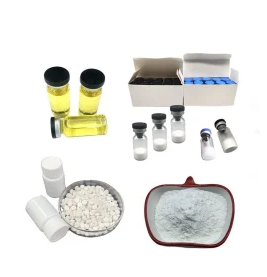
Pharma sites, encompassing pharmaceutical manufacturing facilities, research and development centers, and quality control laboratories, represent a critical infrastructure component in global healthcare. These facilities are distinguished by their stringent requirements for environmental control, process validation, and adherence to Good Manufacturing Practices (GMP). The technical position of a pharma site within the industry chain is central; it bridges the gap between raw material sourcing and finished drug product distribution. Core performance characteristics center around maintaining sterility, achieving precise chemical synthesis, and ensuring batch-to-batch consistency. Critical pain points in the industry include minimizing contamination risk, optimizing process yields, and navigating increasingly complex regulatory landscapes. This guide provides an in-depth technical overview of the key aspects of pharma site design, operation, and maintenance, focusing on materials science, manufacturing processes, performance criteria, failure modes, and relevant industry standards.
Material Science & Manufacturing
The construction and operation of pharma sites rely heavily on specific materials chosen for their chemical compatibility, resistance to corrosion, and ease of sanitization. Stainless steel (316L) is ubiquitous for process equipment, piping, and tank construction due to its high corrosion resistance and weldability. Polymers, such as PTFE (Teflon), polypropylene, and PVDF, are used for gaskets, seals, and tubing due to their chemical inertness. Flooring typically employs epoxy resins or polyurethane coatings, providing seamless, non-porous surfaces resistant to chemical spills and abrasive cleaning. The manufacturing process for pharma site components varies. Stainless steel components are often fabricated through welding, requiring precise control of welding parameters (current, voltage, gas shielding) to avoid weld defects and maintain corrosion resistance. Polymer components are commonly produced via injection molding or extrusion. Critical parameter control focuses on maintaining resin melt temperature, mold temperature, and cooling rates to ensure dimensional accuracy and material properties. Cleanroom construction necessitates the use of specialized materials such as high-density polyethylene (HDPE) or fiberglass-reinforced panels (FRP) for walls and ceilings, minimizing particle generation and facilitating cleaning. HVAC systems critical to pharma sites utilize specialized filters (HEPA, ULPA) constructed from borosilicate glass microfiber to remove particulates with high efficiency. Process validation includes material qualification and cleaning validation to demonstrate suitability for their intended use.
Performance & Engineering
Performance within a pharma site is dictated by several critical engineering considerations. HVAC systems must maintain precise temperature and humidity control (typically 20-25°C and 45-55% RH) to ensure product stability and prevent microbial growth. Airflow patterns must be carefully engineered to minimize cross-contamination between different areas. Sterile manufacturing areas require positive pressure differentials relative to surrounding areas. Water systems (Purified Water, Water for Injection) require extensive filtration, UV sterilization, and distribution networks engineered to prevent bioburden. Force analysis is crucial in designing equipment and structures to withstand operational loads, cleaning procedures, and potential seismic activity. Environmental resistance, specifically regarding chemical exposure (acids, bases, solvents), is paramount; materials must be selected to withstand prolonged exposure without degradation. Compliance requirements are extensive, driven by regulatory bodies like the FDA (US), EMA (Europe), and PMDA (Japan). These regulations mandate adherence to GMP guidelines, validation protocols, and detailed documentation. Functional implementation includes automated process control systems (SCADA, DCS) for monitoring and controlling critical parameters, and Computerized System Validation (CSV) to ensure data integrity and system reliability.
Technical Specifications
| Parameter | Specification | Unit | Testing Method |
|---|---|---|---|
| Stainless Steel Corrosion Rate | < 0.1 | mm/year | ASTM G48 |
| HVAC Temperature Control | 20-25 | °C | Calibrated Thermometer |
| HVAC Humidity Control | 45-55 | % RH | Calibrated Hygrometer |
| Water Conductivity (Purified Water) | < 1.0 | µS/cm | Conductivity Meter |
| Water TOC (Water for Injection) | < 50 | ppb | Total Organic Carbon Analyzer |
| HEPA Filter Efficiency | ≥ 99.97 | % | ISO 14644-3 |
Failure Mode & Maintenance
Pharma site equipment is susceptible to several failure modes. Fatigue cracking in stainless steel piping can occur due to cyclic pressure fluctuations and corrosion. Delamination of epoxy flooring can result from improper surface preparation or exposure to harsh chemicals. Degradation of polymer seals and gaskets can lead to leaks and contamination. Oxidation of stainless steel can occur in environments with low oxygen levels and high chloride concentrations. Microbial growth within water systems can lead to bioburden and endotoxin contamination. Maintenance strategies are critical. Preventive maintenance schedules should include regular inspections for corrosion, leaks, and wear. Non-destructive testing (NDT) methods like ultrasonic testing and radiography can detect hidden defects. Cleaning validation protocols must be followed rigorously to ensure effective removal of residues. Filter integrity testing should be performed regularly to verify filter performance. Water system sanitization procedures, including heat sterilization and chemical disinfection, are essential to control bioburden. Root cause analysis should be conducted for all failures to identify and address underlying causes.
Industry FAQ
Q: What are the key considerations for selecting materials for use in direct contact with pharmaceutical products?
A: Material selection must prioritize biocompatibility, chemical inertness, and absence of leachables. Materials should be certified to USP Class VI standards for biocompatibility. Extractables and leachables studies are crucial to identify and quantify any substances that could migrate from the material into the product. Stainless steel 316L, PTFE, and certain grades of polypropylene are commonly used due to their favorable properties.
Q: How does temperature and humidity control impact pharmaceutical product stability?
A: Temperature and humidity directly affect the degradation rate of most pharmaceutical products. Higher temperatures accelerate chemical reactions and hydrolysis. High humidity can promote microbial growth and affect the physical stability of solid dosage forms. Precise control within specified ranges is critical to maintain product quality and shelf life.
Q: What are the critical steps in validating a water system for pharmaceutical use?
A: Validation involves a comprehensive approach encompassing design qualification (DQ), installation qualification (IQ), operational qualification (OQ), and performance qualification (PQ). OQ confirms that the system operates as intended under normal and worst-case scenarios. PQ demonstrates consistent production of water meeting specified purity standards over an extended period.
Q: What are the common failure modes associated with cleanroom HVAC systems?
A: Common failures include filter breaches, fan motor failures, damper malfunctions, and control system errors. Regular preventative maintenance, including filter replacement, motor lubrication, and damper inspection, is essential to minimize downtime and maintain cleanroom classification.
Q: How can corrosion be effectively managed in a pharmaceutical manufacturing facility?
A: Corrosion management involves material selection, surface treatments (passivation), regular inspections, and implementation of corrosion inhibitors. Maintaining proper pH control and minimizing exposure to corrosive substances are also crucial. Regular monitoring of corrosion rates and timely replacement of corroded components are essential to prevent equipment failure.
Conclusion
Pharma sites demand a rigorous approach to engineering, material science, and manufacturing, driven by the paramount need for product safety and efficacy. Maintaining strict environmental control, employing compatible materials, and adhering to stringent regulatory guidelines are not merely best practices, but fundamental requirements. The longevity and reliability of these facilities, and the quality of the pharmaceuticals they produce, depend on a comprehensive understanding of potential failure modes and proactive implementation of preventative maintenance strategies.
Future trends in pharma site design will likely focus on increased automation, continuous manufacturing processes, and the integration of advanced data analytics for real-time monitoring and process optimization. Embracing these advancements will require a skilled workforce and a commitment to continuous improvement, ensuring that pharma sites remain at the forefront of pharmaceutical innovation and deliver life-saving medications to patients worldwide.