
- +86-13363869198
- weimiaohb@126.com

Apr . 01, 2024 17:55 Back to list
pharma manufacturing near me Material Science and Engineering
Introduction
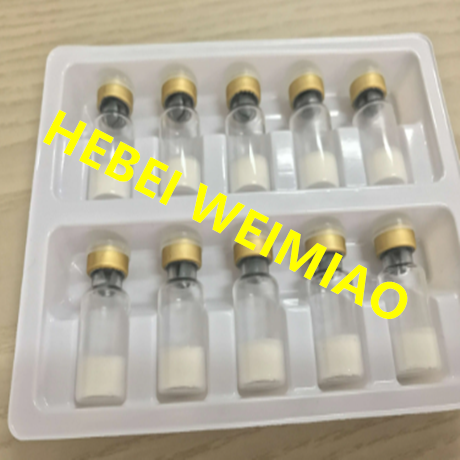
Contract pharmaceutical manufacturing, often referred to as “pharma manufacturing near me” by sourcing professionals, represents a critical component of the modern pharmaceutical supply chain. This encompasses a broad range of services, from API (Active Pharmaceutical Ingredient) synthesis and formulation development to finished dosage form manufacturing (tablets, capsules, injectables, etc.), packaging, and quality control. The industry operates under stringent regulatory oversight, primarily from bodies like the FDA (US Food and Drug Administration), EMA (European Medicines Agency), and corresponding agencies globally. Selecting a qualified Contract Manufacturing Organization (CMO) is pivotal for pharmaceutical companies – ranging from small biotechs to large multinational corporations – seeking to accelerate product development, reduce capital expenditure, and navigate complex regulatory landscapes. Core performance indicators within this sector revolve around adherence to Current Good Manufacturing Practices (cGMP), supply chain security, scalability, and consistent product quality. The increasing demand for personalized medicine and complex formulations is driving the need for CMOs with specialized capabilities and advanced technologies, making selection a crucial strategic decision.
Material Science & Manufacturing
Pharmaceutical manufacturing relies heavily on a diverse range of materials, each demanding precise handling and characterization. Raw materials include APIs, excipients (inactive ingredients that act as carriers or stabilizers), packaging materials (glass, polymers, aluminum), and process aids. APIs are often complex organic molecules synthesized via multi-step chemical processes, requiring robust analytical techniques like HPLC (High-Performance Liquid Chromatography), NMR (Nuclear Magnetic Resonance), and mass spectrometry for purity and structural confirmation. Excipients, while inert, must meet stringent pharmacopoeial standards (USP, EP, JP) regarding purity, particle size distribution, and compatibility with the API. Manufacturing processes vary considerably based on the dosage form. Solid oral dosage forms (tablets, capsules) commonly involve blending, granulation, compression, and coating. Liquid formulations require precise mixing, filtration, and sterilization. Sterile injectables necessitate aseptic processing under strictly controlled environmental conditions. Key parameters during manufacturing include temperature, humidity, mixing speed, and pressure, all of which must be meticulously monitored and controlled to ensure product consistency and prevent degradation. Manufacturing frequently utilizes stainless steel (316L grade is common due to corrosion resistance), specialized polymers (e.g., for controlled-release coatings), and glass packaging (Type I borosilicate glass is preferred for minimal extractables). Chemical compatibility studies are crucial to prevent interactions between the API, excipients, and packaging materials, ensuring product stability and efficacy.
Performance & Engineering
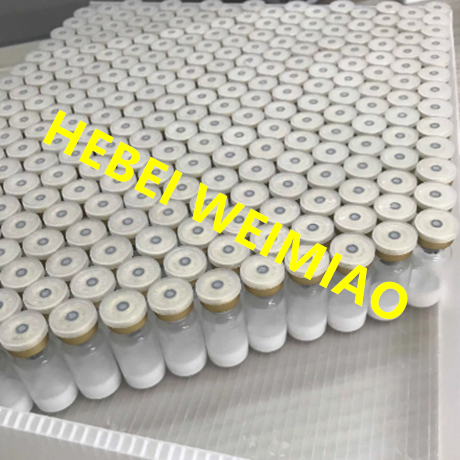
Performance in pharmaceutical manufacturing is defined by a multifaceted set of engineering controls and quality assurance metrics. Critical Quality Attributes (CQAs) – physical, chemical, biological, or microbiological properties that should be within an appropriate limit or range – are identified during process development and rigorously monitored throughout production. Force analysis, particularly in tablet compression, is vital to ensure adequate tablet hardness and disintegration time. Environmental resistance, including temperature and humidity control, is paramount for maintaining API stability and preventing degradation. Validation, encompassing Installation Qualification (IQ), Operational Qualification (OQ), and Performance Qualification (PQ), is essential to demonstrate that equipment and processes consistently operate within predefined specifications. Compliance with cGMP regulations is non-negotiable, demanding robust documentation, audit trails, and adherence to standard operating procedures (SOPs). Furthermore, process analytical technology (PAT) is increasingly employed to monitor critical process parameters (CPPs) in real-time, allowing for immediate adjustments to optimize product quality and reduce variability. Sterile manufacturing necessitates the validation of sterilization processes (e.g., autoclaving, filtration) to ensure the absence of viable microorganisms. Containment strategies, particularly when handling potent APIs, are critical to protect both workers and the environment. Risk assessments (e.g., Failure Mode and Effects Analysis - FMEA) are regularly performed to identify potential failure points and implement preventative measures.
Technical Specifications
| Parameter | Unit | Typical Range (Oral Solid Dosage) | Acceptance Criteria (API Purity) |
|---|---|---|---|
| API Purity | % | >98.0% | ≥99.0% (by HPLC) |
| Tablet Hardness | kgf | 30-100 | 50-80 kgf |
| Tablet Disintegration Time | minutes | <30 | ≤15 minutes |
| Moisture Content (API) | % | <0.5% | ≤0.3% (by Karl Fischer Titration) |
| Particle Size (API - D50) | µm | 10-100 | Controlled within specified limits |
| Water Permeability (Blister Pack) | g/m²/day | <2 | ≤1.5 g/m²/day |
Failure Mode & Maintenance
Failure modes in pharmaceutical manufacturing are diverse and can stem from material defects, process deviations, or equipment malfunctions. Common failures include tablet capping or lamination (due to insufficient binder or improper compression), capsule shell brittleness (resulting from excessive moisture or improper storage), API degradation (caused by temperature excursions or light exposure), and particulate contamination (due to inadequate filtration or aseptic technique). Fatigue cracking in processing equipment, particularly mixing vessels and granulation systems, can lead to product contamination and process downtime. Delamination of coating films on tablets is often a consequence of poor adhesion or incompatible coating formulations. Oxidation of APIs can occur during storage or processing if exposed to oxygen. Preventive maintenance is crucial, encompassing regular inspection, lubrication, and calibration of equipment. For sterile manufacturing, routine filter integrity testing and environmental monitoring are essential. Failure analysis, employing techniques like root cause analysis (RCA) and fault tree analysis (FTA), is vital for identifying the underlying causes of failures and implementing corrective actions. Maintenance should include adherence to manufacturer recommendations for equipment servicing and replacement of critical components. Regular cleaning and sanitization of equipment and facilities are paramount to prevent microbial contamination. A robust change control system is essential to manage modifications to processes and equipment, ensuring that any changes do not negatively impact product quality.
Industry FAQ
Q: What level of validation documentation is typically required for a new formulation transfer to your facility?
A: We require a comprehensive validation package including formulation records, analytical methods, process validation reports (PVPs), cleaning validation reports, and stability data. The scope of validation will be determined based on the complexity of the formulation and the level of change from the original process. We operate under a robust change control system to ensure all modifications are thoroughly documented and approved.
Q: How do you ensure the security of my API and formulation details, given the competitive nature of the pharmaceutical industry?
A: We have stringent confidentiality agreements (CDAs) in place and operate under strict data security protocols. Access to your formulation information is limited to authorized personnel only, and our facility is equipped with advanced security systems, including restricted access zones and data encryption.
Q: What is your capacity for handling potent compounds (HPAPIs)?
A: We have dedicated HPAPI suites equipped with containment systems, including isolators and restricted access barrier systems (RABS). We are capable of handling compounds with occupational exposure limits (OELs) down to nanogram levels, and our personnel are trained in safe handling procedures.
Q: Can you accommodate different packaging configurations, and do you offer serialization services?
A: Yes, we offer a wide range of packaging options, including blister packs, bottles, vials, and pouches. We also provide serialization services to comply with track-and-trace regulations, such as the Drug Supply Chain Security Act (DSCSA).
Q: What is your typical lead time for a new product launch, from formulation development to commercial production?
A: Lead times vary depending on the complexity of the formulation and the scale of production. Generally, we estimate 6-12 months for formulation development and process validation, followed by 3-6 months for scale-up and commercial production. We strive to accelerate timelines whenever possible without compromising quality.
Conclusion
The selection of a “pharma manufacturing near me” partner demands meticulous evaluation of technical capabilities, regulatory compliance, and operational expertise. Successful pharmaceutical manufacturing hinges on a deep understanding of material science, robust engineering controls, and a relentless commitment to quality. Maintaining product integrity, ensuring patient safety, and navigating the complex regulatory landscape are paramount.
Looking forward, the industry will likely see increased adoption of continuous manufacturing technologies, advanced process analytical technologies, and digital solutions to enhance efficiency, reduce costs, and improve product quality. The ability to adapt to evolving regulatory requirements and embrace innovation will be critical for CMOs seeking to thrive in this dynamic environment. A strong focus on supply chain resilience and risk mitigation will also become increasingly important.