
- +86-13363869198
- weimiaohb@126.com

Apr . 01, 2024 17:55 Back to list
pharma manufacturing company Process Validation
Introduction
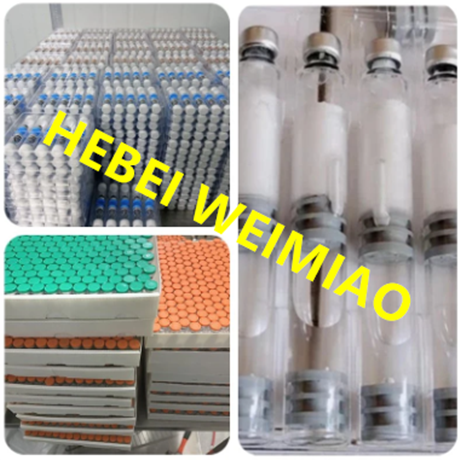
Pharmaceutical manufacturing is a highly regulated, complex industry demanding stringent quality control and process validation. Within the industry chain, it represents the critical conversion of Active Pharmaceutical Ingredients (APIs) and excipients into finished dosage forms – tablets, capsules, injectables, etc. – ready for patient administration. Core performance characteristics revolve around potency, purity, stability, bioavailability, and adherence to Good Manufacturing Practices (GMP) as defined by regulatory bodies. The inherent challenges involve maintaining sterility, preventing cross-contamination, ensuring consistent product quality across batches, and navigating increasingly complex regulatory landscapes. This guide provides an in-depth technical overview of the considerations surrounding optimal pharmaceutical manufacturing processes, material compatibility, potential failure modes, and relevant international standards.
Material Science & Manufacturing
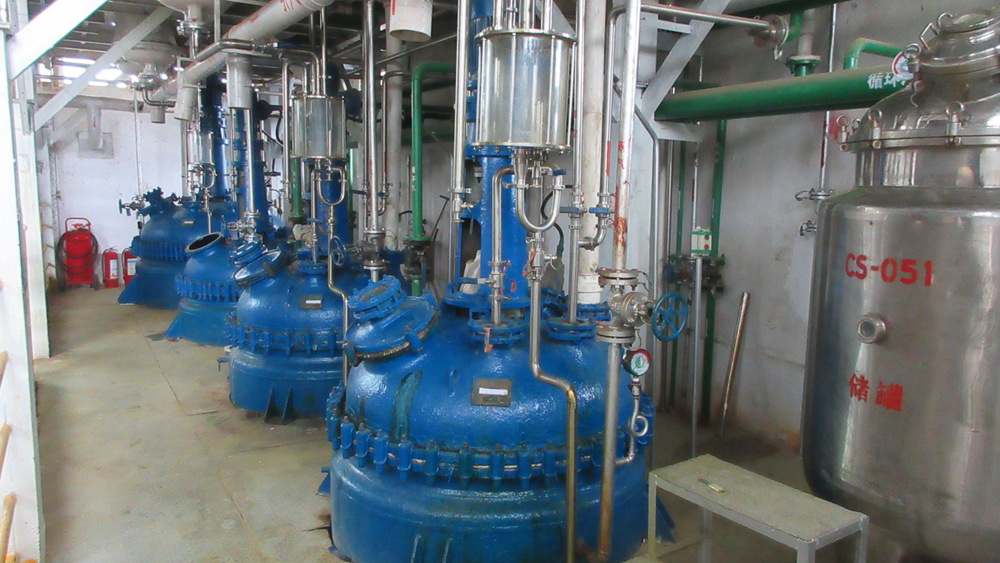
The materials used in pharmaceutical manufacturing are diverse, ranging from stainless steel alloys (316L being the most common) for process equipment, to specialized polymers for packaging, and the APIs and excipients themselves. Stainless steel 316L is favored due to its corrosion resistance, particularly against cleaning agents and process fluids. Its microstructure, typically austenitic, provides excellent ductility and weldability. However, chloride-induced pitting corrosion is a concern and requires passivation. Polymers used for primary packaging (vials, ampoules, blister packs) must exhibit low permeability to oxygen and moisture, high chemical inertness, and compatibility with the drug product. Common polymers include cyclic olefin polymers (COP), cyclic olefin copolymers (COC), polypropylene (PP), and polyethylene (PE). Manufacturing processes vary depending on the dosage form. For solid dosage forms, granulation, blending, tableting, and coating are critical steps. Granulation enhances flowability and compressibility. Blending ensures homogeneous drug distribution. Tableting requires precise control of compression force to achieve desired hardness and disintegration characteristics. Coating protects the drug from environmental degradation and controls drug release. For sterile injectables, aseptic processing, sterilization (autoclaving, filtration), and filling are paramount. Parameter control during sterilization – temperature, pressure, time – is crucial to ensure complete microbial inactivation without degrading the drug product. Critical parameters are continuously monitored using sophisticated process analytical technology (PAT) systems. Excipient compatibility studies are conducted extensively to prevent unwanted chemical reactions or physical instability.
Performance & Engineering
Performance in pharmaceutical manufacturing is inextricably linked to process validation and compliance. Sterility Assurance Level (SAL) of 10-6 is a common benchmark for sterile products, meaning there’s a one in a million chance of a non-sterile unit. Achieving this requires rigorous validation of sterilization processes, cleanroom design (ISO Class 5 or better), and personnel training. Environmental resistance is critical. Equipment must withstand repeated exposure to cleaning agents (caustic solutions, disinfectants) without corrosion or material degradation. The design of HVAC systems (Heating, Ventilation, and Air Conditioning) is paramount to maintaining temperature, humidity, and particulate control within cleanrooms. Force analysis is vital during tablet compression; insufficient force results in fragile tablets, while excessive force can lead to capping or lamination. Bioavailability, the rate and extent to which a drug reaches systemic circulation, is heavily influenced by particle size, polymorphism, and excipient selection. Compliance requirements are extensive. Adherence to GMP guidelines (21 CFR Part 210 & 211 in the US, EudraLex Volume 4 in Europe) is mandatory. Process validation, analytical method validation, and stability testing are crucial components of regulatory submissions. Furthermore, data integrity (ALCOA principles – Attributable, Legible, Contemporaneous, Original, and Accurate) is now a major focus of regulatory inspections.
Technical Specifications
| Parameter | Unit | Specification (Oral Solid Dosage) | Specification (Sterile Injectable) |
|---|---|---|---|
| Tablet Hardness | kgf | 40-150 | N/A |
| Tablet Friability | % | ≤ 1.0 | N/A |
| Dissolution Rate (Q80) | min | ≤ 60 | N/A |
| Sterility Test | Result | N/A | Pass |
| Endotoxin Level | EU/mL | N/A | ≤ 0.5 |
| Particulate Matter | Particles/mL | N/A | ≤ 6 (≥ 10 µm) |
Failure Mode & Maintenance
Common failure modes in pharmaceutical manufacturing include tablet capping/lamination due to insufficient binder, sticking to punches due to excessive moisture, inconsistent filling weights due to equipment malfunction, and microbial contamination in sterile products. Fatigue cracking in stainless steel equipment can occur due to repeated thermal cycling and stress. Delamination of coating films can result from poor adhesion or incompatible coating formulations. Degradation of APIs can occur due to exposure to light, oxygen, or moisture. Oxidation of excipients can lead to altered physical properties and reduced potency. Preventative maintenance is crucial. Regular inspection of equipment for wear and tear, calibration of instruments, and validation of cleaning procedures are essential. Stainless steel surfaces should be passivated periodically to restore corrosion resistance. HVAC systems require regular filter changes and maintenance to maintain air quality. Preventative maintenance schedules should be based on risk assessment and manufacturer recommendations. Root cause analysis should be performed for all failures to identify and address underlying issues. Change control procedures must be rigorously followed to ensure that any modifications to processes or equipment do not compromise product quality.
Industry FAQ
Q: What are the key considerations when selecting a stainless steel grade for pharmaceutical processing equipment?
A: The primary consideration is corrosion resistance. 316L stainless steel is the most common choice due to its high molybdenum content, enhancing resistance to chloride pitting. However, the specific process fluid composition should be considered. Electropolishing the surface further improves corrosion resistance and cleanability. The welding process must be carefully controlled to avoid sensitization, which can reduce corrosion resistance.
Q: How do you validate a cleaning process to ensure removal of residues and prevent cross-contamination?
A: Cleaning validation involves demonstrating that the cleaning process consistently removes residues of previous products and cleaning agents to acceptable levels. This typically involves spiking equipment with worst-case residue levels, performing the cleaning cycle, and analyzing swab samples to quantify residue levels. Acceptance criteria are based on toxicity data and potential allergenicity. Worst-case scenarios (e.g., difficult-to-clean residues) should be evaluated.
Q: What are the challenges associated with maintaining sterility in injectable pharmaceutical production?
A: Maintaining sterility requires a multi-faceted approach, including a robust cleanroom design, validated sterilization processes, and strict personnel hygiene. Bioburden monitoring, environmental monitoring, and personnel training are critical. Aseptic processing techniques must be meticulously followed. Process Analytical Technology (PAT) can be used to monitor critical process parameters in real-time and ensure consistent sterility.
Q: How does polymorphism affect drug product performance and stability?
A: Polymorphism refers to the ability of a solid material to exist in multiple crystalline forms. Different polymorphs can exhibit different solubility, dissolution rates, and stability profiles. The most thermodynamically stable polymorph is generally preferred, but it may not always have the optimal bioavailability. Careful control of crystallization conditions is essential to consistently produce the desired polymorph.
Q: What role does data integrity play in pharmaceutical manufacturing, and what steps are taken to ensure it?
A: Data integrity is paramount for regulatory compliance and patient safety. ALCOA principles (Attributable, Legible, Contemporaneous, Original, and Accurate) are fundamental. Electronic data systems must be validated and compliant with 21 CFR Part 11. Audit trails are essential to track data changes. Access controls and user authentication are crucial to prevent unauthorized modifications. Regular data reviews and audits are conducted to ensure data integrity.
Conclusion
Pharmaceutical manufacturing demands a sophisticated understanding of material science, engineering principles, and regulatory requirements. Maintaining product quality, sterility, and data integrity are non-negotiable. The continuous evolution of pharmaceutical products and manufacturing technologies necessitates ongoing innovation and rigorous process validation. Effective preventative maintenance programs and robust failure analysis procedures are vital for minimizing downtime and ensuring consistent production.
Looking ahead, the industry will increasingly leverage automation, continuous manufacturing, and advanced process control technologies to enhance efficiency and improve product quality. Real-time release testing (RTRT), enabled by PAT, will further streamline processes and reduce reliance on traditional end-product testing. The adoption of digital technologies, such as artificial intelligence and machine learning, will play a growing role in process optimization and predictive maintenance.