
- +86-13363869198
- weimiaohb@126.com

Apr . 01, 2024 17:55 Back to list
maryland pharmaceutical Aseptic Processing and Manufacturing
Introduction
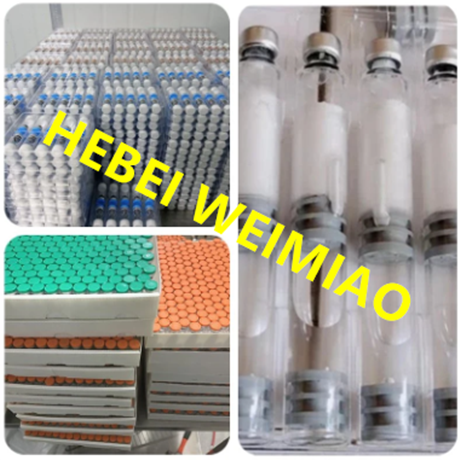
Maryland Pharmaceutical represents a significant participant in the sterile injectable pharmaceutical manufacturing landscape. Positioned as a contract development and manufacturing organization (CDMO), the company specializes in the formulation, filling, and finishing of complex parenteral drug products. Their technical position within the pharmaceutical supply chain is critical, serving as the vital link between drug innovators and commercialization. Core performance centers on aseptic processing, formulation development addressing solubility and stability challenges, and stringent adherence to global regulatory requirements (FDA, EMA). A primary pain point addressed by Maryland Pharmaceutical is the increasing demand for large-volume parenterals (LVPs), requiring highly automated and robust filling lines capable of maintaining sterility and accurate dosing. Furthermore, the escalating complexity of biologics and novel drug delivery systems necessitates advanced formulation expertise and analytical capabilities. Maryland Pharmaceutical's core competency lies in mitigating these complexities, providing efficient and reliable manufacturing solutions for pharmaceutical companies.
Material Science & Manufacturing
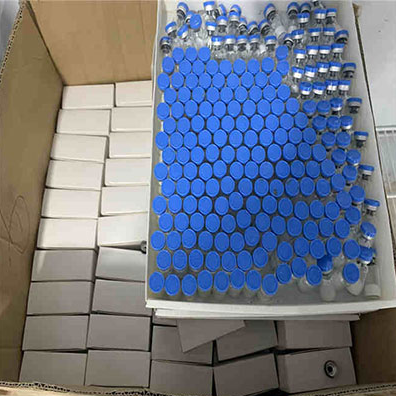
The manufacturing of sterile injectable pharmaceuticals relies heavily on the properties of glass, stainless steel (typically 316L), and polymers (polypropylene, polyethylene, Teflon). Glass Type I borosilicate glass is the predominant material for vials and ampoules due to its low leachability and chemical inertness. Stainless steel 316L is chosen for its corrosion resistance in harsh cleaning and sterilization cycles. Polymers are critical for stoppers, plungers, and seals, demanding compatibility with the formulated drug product and maintaining a sterile barrier. The primary manufacturing process involves formulation, sterilization (typically autoclaving or filtration), aseptic filling, lyophilization (if required), and visual inspection. Aseptic filling is the most critical step, performed in cleanrooms classified according to ISO 14644-1 standards. Critical parameters include environmental monitoring (particulate matter, microbial counts), operator gowning procedures, and the validation of sterilization cycles. Formulation development involves excipient selection based on solubility enhancement, pH adjustment, and isotonicity. Lyophilization, or freeze-drying, requires precise control of freezing rates, primary drying pressure, and secondary drying temperature to ensure product stability. The control of endotoxins, a pyrogenic substance, is paramount, requiring depyrogenation of all equipment and materials via high-temperature sterilization.
Performance & Engineering
Performance of sterile injectable manufacturing is evaluated based on sterility assurance level (SAL), typically 10-6, meaning a one in a million chance of a non-sterile unit. Force analysis is critical in stopper and plunger systems to ensure proper sealing and prevent particulate matter generation. Environmental resistance considerations include compatibility with harsh cleaning agents (CIP) and sterilizing agents (SIP). Regulatory compliance is paramount, adhering to cGMP (current Good Manufacturing Practices) guidelines established by the FDA (21 CFR Parts 210 & 211) and EMA. Functional implementation involves rigorous validation of equipment, processes, and analytical methods. This includes process performance qualification (PPQ) to demonstrate robust and reproducible performance. Container closure integrity (CCI) testing is crucial to verify the effectiveness of the stopper/vial seal in maintaining sterility. Heat distribution and temperature uniformity during sterilization are evaluated using temperature mapping studies. The design and operation of HVAC systems are engineered to maintain positive pressure differentials and control airflow patterns within cleanrooms. Material compatibility studies are performed to ensure that no unwanted interactions occur between the drug product and the container closure system.
Technical Specifications
| Parameter | Unit | Specification | Test Method |
|---|---|---|---|
| Sterility Assurance Level (SAL) | - | ≤ 10-6 | USP <71> |
| Endotoxin Level | EU/mL | < 0.5 | USP <85> |
| Particulate Matter (Visible) | Particles/mL | 0 | USP <788> |
| Particulate Matter (Subvisible) | Particles/mL | ≤ 6 per mL (≥ 10µm) | USP <788> |
| Container Closure Integrity (CCI) | - | Pass | ASTM F323 |
| Water Content | % | ≤ 1.0 | Karl Fischer Titration |
Failure Mode & Maintenance
Failure modes in sterile injectable manufacturing can be categorized into several areas. Container closure failures (e.g., stopper delamination, cracks in vials) can lead to loss of sterility. Particulate matter generation can originate from glass delamination, elastomer degradation, or inadequate filtration. Equipment failures (e.g., pump malfunctions, temperature control failures) can disrupt aseptic processing. Human error (e.g., incorrect filling volumes, improper gowning) remains a significant risk. Bioburden excursions, exceeding acceptable microbial limits, indicate failures in sterilization or aseptic technique. Maintenance involves preventative maintenance schedules for all critical equipment, including autoclaves, filling machines, and HVAC systems. Regular calibration of instruments (e.g., thermocouples, pressure sensors) is essential. Filter integrity testing must be performed after each use to verify their effectiveness. Visual inspection procedures must be meticulously followed and documented. Root cause analysis should be conducted for all deviations or failures to identify and address underlying issues. Continuous monitoring of environmental conditions (temperature, humidity, pressure) is crucial to identify potential risks and maintain optimal operating conditions. The replacement of elastomer components at defined intervals prevents degradation and particulate generation.
Industry FAQ
Q: What are the critical differences between glass Type I and Type III borosilicate glass in injectable applications?
A: Glass Type I boasts superior chemical inertness and lower leachables compared to Type III. While Type III is cost-effective, the increased sodium content leads to higher leachates and a greater potential for interaction with sensitive drug formulations. Type I is preferred for formulations sensitive to pH changes or requiring long-term stability.
Q: How does the choice of elastomer stopper impact extractables and leachables?
A: Stopper formulation (polymer type, curing process, and additives) significantly influences extractables and leachables. Silicone-coated stoppers minimize friction during insertion and removal but can contribute to silicone oil extractables. Proper selection, validation, and aging studies are crucial to ensure stopper compatibility with the drug product.
Q: What is the role of process analytical technology (PAT) in improving manufacturing efficiency?
A: PAT utilizes real-time monitoring and control of critical process parameters (CPP) to enhance product quality and process robustness. Examples include spectroscopic techniques for monitoring formulation composition and automated inspection systems for detecting particulate matter.
Q: What are the key challenges in sterilizing large-volume parenterals?
A: Achieving uniform heat distribution throughout the volume is the primary challenge. Loading configurations, steam penetration, and cooling rates must be carefully validated to ensure all parts of the container reach the required sterilization temperature for the specified time.
Q: How important is data integrity in cGMP compliance for sterile manufacturing?
A: Data integrity is paramount. All data related to manufacturing, testing, and quality control must be accurate, complete, consistent, enduring, and available. Electronic records and signatures must comply with 21 CFR Part 11 requirements.
Conclusion
Maryland Pharmaceutical’s success hinges on its mastery of aseptic processing, stringent adherence to regulatory standards, and commitment to continuous improvement. The complexities inherent in sterile injectable manufacturing necessitate a deep understanding of material science, engineering principles, and quality control methodologies. Maintaining sterility, ensuring container closure integrity, and controlling particulate matter remain paramount concerns. Future trends, including advancements in single-use technology, continuous manufacturing, and personalized medicine, will likely drive further innovation and demand for CDMOs with specialized capabilities.
Optimizing formulation development to enhance drug stability and solubility, coupled with robust analytical methods for characterizing complex drug products, will be critical for success in the evolving pharmaceutical landscape. The ability to scale up manufacturing processes efficiently and maintain consistent product quality will be key differentiators for CDMOs like Maryland Pharmaceutical. Ongoing investment in advanced technologies and skilled personnel will be essential to meet the growing demands of the pharmaceutical industry and deliver safe and effective medications to patients.