
- +86-13363869198
- weimiaohb@126.com

Apr . 01, 2024 17:55 Back to list
Pharmaceuticals what is pharmaceutical Performance Analysis
Introduction
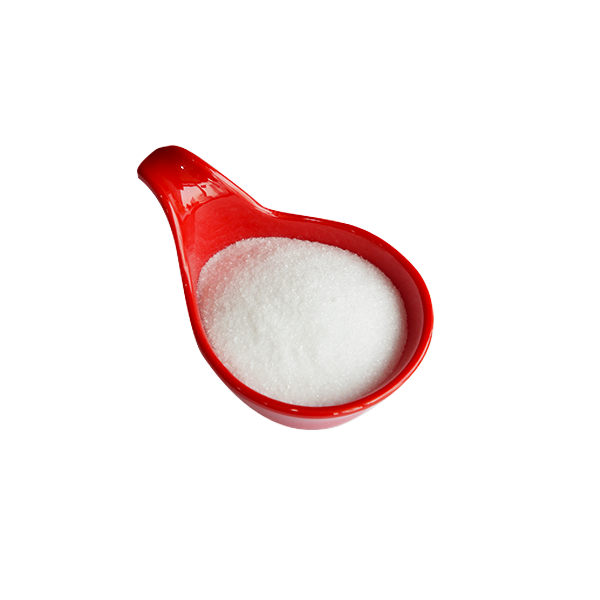
Pharmaceuticals encompass a broad class of chemical substances used to prevent, diagnose, and treat diseases. Positioned within the healthcare value chain, pharmaceuticals represent a critical intermediary between basic scientific research and patient care. They are typically manufactured through complex chemical synthesis, fermentation, or extraction from natural sources, and undergo rigorous testing and regulatory scrutiny. Core performance characteristics are defined by efficacy – the ability to produce a desired therapeutic effect – safety, bioavailability (the rate and extent to which a drug is absorbed), and stability throughout its shelf life. The pharmaceutical industry is characterized by extensive research and development (R&D) investment, intellectual property protection (patents), and a highly regulated landscape. Key industry pain points include escalating R&D costs, the increasing complexity of biological drugs, stringent quality control requirements, and the growing pressure to reduce healthcare costs while maintaining innovation.
Material Science & Manufacturing
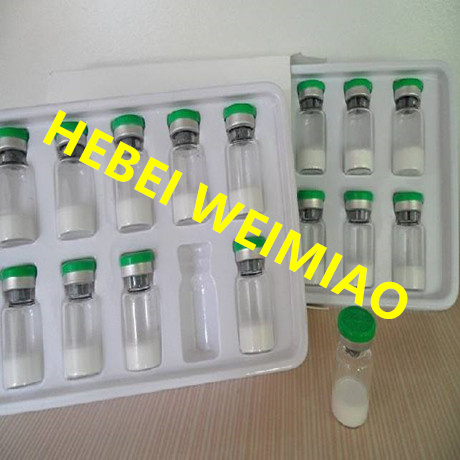
Pharmaceutical manufacturing relies on diverse materials, ranging from Active Pharmaceutical Ingredients (APIs) – the biologically active component – to excipients – inactive substances that serve as carriers or stabilizers. APIs are often complex organic molecules synthesized through multi-step chemical processes. Common raw materials include organic solvents (ethanol, methanol, dichloromethane), reagents (acids, bases, catalysts), and starting materials derived from petrochemicals or biological sources. Excipients encompass polymers (cellulose derivatives, polyethylene glycol), sugars (lactose, sucrose), lipids (lecithin), and inorganic salts. Manufacturing processes vary depending on the drug type. Small-molecule drugs are typically produced via chemical synthesis in batch reactors, involving precise temperature control, mixing, and purification steps like crystallization and chromatography. Biologics (proteins, antibodies, vaccines) are manufactured through cell culture, fermentation, and downstream processing, requiring sterile environments and sophisticated bioreactors. Solid dosage forms (tablets, capsules) involve blending APIs and excipients, followed by granulation, drying, compression, and coating. Liquid dosage forms (solutions, suspensions) require precise formulation and sterilization techniques. Critical parameters include API purity, particle size distribution, moisture content, pH, and viscosity. Control of polymorphism (different crystal structures of the same API) is crucial, as it affects solubility and bioavailability. Manufacturing adherence to Good Manufacturing Practices (GMP) is paramount, encompassing stringent documentation, validation, and quality control procedures.
Performance & Engineering
Pharmaceutical performance is governed by complex interactions between the drug, the patient’s physiology, and the formulation. Pharmacokinetics (PK) – what the body does to the drug – describes absorption, distribution, metabolism, and excretion (ADME). Pharmacodynamics (PD) – what the drug does to the body – relates drug concentration to therapeutic effect. Formulation engineering aims to optimize PK/PD profiles. For example, controlled-release formulations employ polymers to modulate drug release rates, extending therapeutic duration and reducing dosing frequency. Drug delivery systems (DDS) – like liposomes or nanoparticles – enhance drug targeting to specific tissues or cells, improving efficacy and minimizing side effects. Environmental resistance is critical. Pharmaceuticals must maintain stability under varying temperature, humidity, and light conditions. Packaging materials are selected for their barrier properties (oxygen, moisture), protecting the drug from degradation. Compliance with regulatory requirements (e.g., FDA, EMA) is essential, encompassing rigorous testing for safety, efficacy, and quality. This includes stability studies, impurity profiling, and bioequivalence studies. Force analysis in tablet compression ensures adequate hardness and friability. Material compatibility studies assess potential interactions between the drug and packaging materials. Understanding dissolution rates is key – the rate at which the drug dissolves in the gastrointestinal tract influences absorption.
Technical Specifications
| API Purity (%) | Water Content (%) | Dissolution Rate (mg/min) | Particle Size (µm) |
|---|---|---|---|
| >99.5 | <2.0 | >80% in 30 min | 10-50 |
| >98.0 | <5.0 | >70% in 60 min | 50-200 |
| >99.0 | <1.0 | >90% in 15 min | 5-20 |
| >97.5 | <3.0 | >60% in 45 min | 20-80 |
| >99.2 | <1.5 | >85% in 20 min | 8-30 |
| >98.5 | <4.0 | >75% in 60 min | 40-150 |
Failure Mode & Maintenance
Pharmaceutical product failures can arise from diverse sources. Degradation is a common issue, where the API decomposes over time due to oxidation, hydrolysis, or photolysis. This can lead to reduced potency and the formation of toxic impurities. Polymorphic transitions can alter solubility and bioavailability. Tablet defects include capping (separation of tablet layers), lamination (formation of layers within the tablet), and friability (tendency to crumble). Capsule failures include cracking, softening, or dissolution issues. Sterile products face the risk of microbial contamination, leading to product recalls and potential harm to patients. Maintenance focuses on preventative measures. Proper storage conditions (temperature, humidity, light protection) are crucial. Regular stability testing monitors degradation rates and shelf life. Equipment maintenance (reactors, bioreactors, packaging machines) ensures consistent performance and prevents contamination. Validation of cleaning procedures prevents cross-contamination between products. Root cause analysis investigates failures to identify underlying issues and implement corrective actions. For complex biologics, cold chain management is essential to maintain product integrity during transportation and storage. Failure analysis often involves techniques like HPLC, mass spectrometry, and microscopy to identify degradation products and defects.
Industry FAQ
Q: What is the role of excipients in pharmaceutical formulations?
A: Excipients are inactive ingredients that play crucial roles in drug delivery and formulation stability. They can act as diluents, binders, disintegrants, lubricants, coatings, and preservatives. They impact drug dissolution, bioavailability, and overall performance. Careful excipient selection is vital to ensure compatibility with the API and to avoid adverse interactions.
Q: How does polymorphism affect drug performance?
A: Polymorphism refers to the ability of a solid material to exist in multiple crystalline forms. Different polymorphs can exhibit different solubility, dissolution rates, and bioavailability. Selecting the appropriate polymorph is critical to ensure consistent drug performance and therapeutic efficacy.
Q: What are the key differences between small-molecule drugs and biologics manufacturing?
A: Small-molecule drugs are chemically synthesized in batch reactors, while biologics are produced through cell culture or fermentation. Biologics manufacturing requires sterile environments, complex purification processes, and extensive quality control due to their inherent complexity and potential for immunogenicity.
Q: What is the importance of validation in pharmaceutical manufacturing?
A: Validation is the process of demonstrating that a manufacturing process consistently produces a product meeting predetermined quality attributes. It ensures reproducibility, reliability, and compliance with regulatory requirements. It includes process validation, cleaning validation, and analytical method validation.
Q: How is stability testing used to determine a drug's shelf life?
A: Stability testing involves storing drug products under various temperature, humidity, and light conditions over extended periods. Samples are periodically analyzed for degradation products, potency loss, and other quality attributes. This data allows determination of the drug's expiration date, ensuring it remains safe and effective throughout its labeled shelf life.
Conclusion
Pharmaceutical manufacturing represents a highly sophisticated intersection of chemical engineering, material science, and biology. Maintaining stringent quality control, adhering to rigorous regulatory standards, and optimizing formulation design are paramount to ensuring drug efficacy and patient safety. The industry constantly evolves, driven by advancements in drug delivery technologies, personalized medicine, and the development of novel therapeutic modalities.
Future trends include continuous manufacturing, advanced process control, and the integration of artificial intelligence (AI) for process optimization and quality prediction. Furthermore, emphasis on sustainable manufacturing practices and reduced waste generation will be increasingly important. The ongoing pursuit of innovation in pharmaceutical science will continue to drive improvements in global health outcomes.