
- +86-13363869198
- weimiaohb@126.com

Apr . 01, 2024 17:55 Back to list
Pharmaceuticals Import where are pharmaceuticals imported from Quality Control
Introduction
The global pharmaceutical supply chain is a complex network, with a significant proportion of Active Pharmaceutical Ingredients (APIs) and finished dosage forms being imported. This guide details the key sourcing nations for pharmaceuticals, focusing on the factors driving import dependence, quality control considerations, logistical challenges, and regulatory frameworks governing these imports. Pharmaceutical importation is critical for meeting domestic demand, accessing specialized medications, and mitigating drug shortages. The sourcing of pharmaceuticals is driven by cost, manufacturing capacity, regulatory environment, and intellectual property rights. Importantly, quality assurance and supply chain security are paramount concerns, requiring rigorous adherence to international standards.
Material Science & Manufacturing
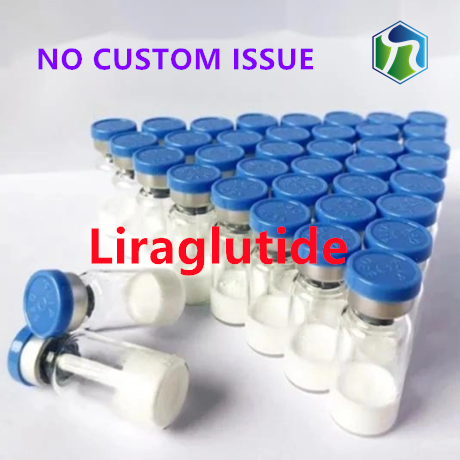
The manufacturing of pharmaceuticals relies heavily on specialized raw materials. APIs originate from various sources, often involving complex chemical synthesis. Key raw materials include organic compounds, inorganic salts, excipients (binders, fillers, coatings), and solvents. The production of APIs requires precise control over chemical reactions, purification processes (crystallization, chromatography), and quality control testing (HPLC, mass spectrometry). Finished dosage forms (tablets, capsules, injectables) involve formulation, blending, granulation, compression, coating, and packaging. The material properties of packaging materials (blister packs, vials, bottles) are crucial for maintaining drug stability and preventing contamination. For example, glass vials require specific borosilicate compositions to minimize leaching of alkali ions. Manufacturing processes are often governed by Good Manufacturing Practices (GMP) guidelines, ensuring consistency, traceability, and quality.
Performance & Engineering
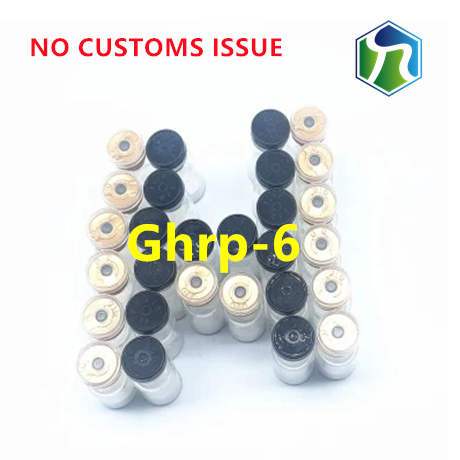
The performance of imported pharmaceuticals is assessed based on bioavailability, bioequivalence, stability, and efficacy. Bioavailability refers to the rate and extent to which an API is absorbed into the systemic circulation. Bioequivalence studies compare the bioavailability of a generic drug to that of a reference listed drug. Drug stability is influenced by temperature, humidity, light exposure, and packaging materials. Engineering considerations include formulation development, process optimization, and scale-up. The performance of pharmaceutical manufacturing equipment (reactors, filters, dryers) is critical for maintaining product quality. Validation protocols ensure that equipment and processes consistently deliver the intended results. Pharmacovigilance systems monitor the safety and efficacy of drugs after they are marketed, identifying adverse drug reactions and ensuring continued product safety. Compliance with regulatory standards, like those from the FDA and EMA, demands stringent performance monitoring and documentation.
Technical Specifications
| Country of Origin | Primary Pharmaceutical Export (USD Billions, 2023) | Dominant Export Type | Key Regulatory Compliance |
|---|---|---|---|
| China | 98.6 | APIs, Finished Dosage Forms (Generics) | GMP, ICH Q7, CFDA |
| India | 27.2 | Generics, Biosimilars, APIs | GMP, WHO-GMP, US FDA |
| Germany | 85.4 | Patented Drugs, Innovative Medicines | EU GMP, EMA |
| Switzerland | 81.3 | Patented Drugs, Biopharmaceuticals | Swissmedic, EU GMP |
| United States | 157.5 | Patented Drugs, Biopharmaceuticals | FDA, cGMP |
| Ireland | 55.7 | APIs, Finished Dosage Forms (Generics & Patented) | HPRA, EU GMP |
Failure Mode & Maintenance
Pharmaceutical import and storage are susceptible to several failure modes. Temperature excursions during transport can degrade temperature-sensitive biologics, leading to reduced potency. Humidity can compromise the stability of solid dosage forms, causing caking or deliquescence. Contamination (microbial, particulate) can occur during manufacturing, packaging, or handling. Counterfeit drugs pose a significant threat, often containing incorrect APIs or sub-therapeutic doses. Packaging failures (leaks, cracks) can compromise product integrity. Proper maintenance of the cold chain (refrigerated transport, storage) is crucial for preserving drug quality. Regular audits of suppliers and distributors are essential for verifying compliance with GMP guidelines. Serialization and track-and-trace technologies can help prevent counterfeiting and ensure supply chain security. Root cause analysis of failures is vital for implementing corrective and preventive actions (CAPA).
Industry FAQ
Q: What are the primary risks associated with sourcing APIs from emerging markets?
A: The primary risks include inconsistent quality control, potential for counterfeiting, supply chain disruptions due to political instability or natural disasters, and challenges in verifying compliance with GMP standards. Thorough supplier qualification, rigorous quality audits, and robust supply chain monitoring are essential mitigation strategies.
Q: How does the FDA ensure the quality of imported pharmaceuticals?
A: The FDA conducts inspections of foreign manufacturing facilities, reviews import documentation, and samples products for testing. The FDA also utilizes mutual recognition agreements (MRAs) with certain countries, allowing for reliance on their inspection findings. Refusal of admission is a common enforcement action against non-compliant imports.
Q: What is the role of pharmacovigilance in ensuring the safety of imported drugs?
A: Pharmacovigilance involves the continuous monitoring of drug safety after they are marketed. Imported drug manufacturers are required to report adverse drug reactions to regulatory authorities. This data is used to identify potential safety signals and take appropriate action, such as issuing warnings or recalling products.
Q: What are the challenges associated with maintaining the cold chain for temperature-sensitive pharmaceuticals?
A: Maintaining the cold chain requires specialized packaging, refrigerated transport, and temperature monitoring systems. Challenges include ensuring temperature control during transit, handling disruptions due to delays or power outages, and verifying the integrity of temperature data. Qualified temperature-controlled logistics providers are essential.
Q: How can pharmaceutical companies mitigate the risk of counterfeit drugs entering the supply chain?
A: Mitigation strategies include serialization and track-and-trace technologies, tamper-evident packaging, secure supply chain partnerships, and robust authentication procedures. Collaboration with regulatory authorities and industry organizations is also crucial.
Conclusion
The sourcing of pharmaceuticals internationally is driven by economic and strategic considerations. However, maintaining product quality, ensuring supply chain security, and complying with rigorous regulatory standards are paramount. A comprehensive understanding of the material science, manufacturing processes, and performance characteristics of pharmaceuticals is essential for mitigating risks and guaranteeing patient safety. Ongoing investment in quality control systems, supply chain monitoring, and pharmacovigilance is critical for ensuring the continued availability of safe and effective medications.
Future trends in pharmaceutical importation will likely involve increased adoption of blockchain technology for supply chain traceability, greater emphasis on regionalization of manufacturing to reduce reliance on single sources, and the development of more sophisticated analytical methods for detecting counterfeit drugs. Proactive engagement with regulatory bodies and continuous improvement of quality management systems will be essential for navigating the evolving landscape of the global pharmaceutical industry.