
- +86-13363869198
- weimiaohb@126.com

Apr . 01, 2024 17:55 Back to list
Pharmaceuticals Disposal Performance Analysis
Introduction
Pharmaceutical waste represents a significant environmental and public health concern. Proper disposal is crucial to prevent contamination of water sources, soil, and potential misuse of medications. This guide details the technical aspects of pharmaceutical disposal, encompassing regulatory frameworks, accepted methods, material science considerations, potential failure modes of disposal systems, and relevant international standards. Within the healthcare and pharmaceutical supply chain, disposal often falls into a regulatory gray area, leading to inconsistent practices and potential non-compliance. The core performance objective is complete and safe degradation or containment of Active Pharmaceutical Ingredients (APIs) to prevent ecological harm and diversion.
Material Science & Manufacturing
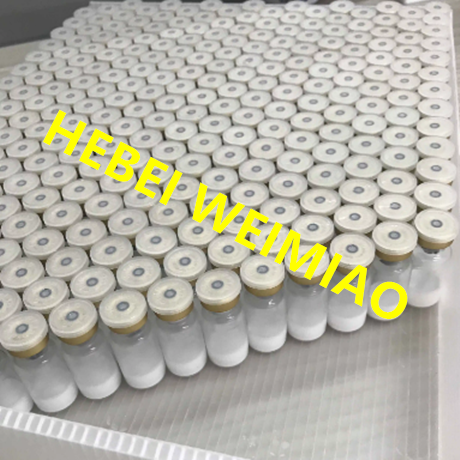
Pharmaceutical formulations involve diverse materials, impacting disposal strategies. APIs exhibit varying chemical properties – solubility, stability, reactivity – influencing their persistence in the environment. Excipients, the inactive ingredients, contribute to the waste matrix and can affect degradation rates. Manufacturing processes for disposal systems, such as incineration facilities or chemical degradation units, rely on material science principles. Incinerators utilize high-temperature-resistant alloys (e.g., nickel-based superalloys) to withstand the corrosive byproducts of combustion. Chemical degradation processes often employ reactive agents housed in corrosion-resistant vessels (e.g., stainless steel 316L or Teflon-lined reactors). The physical form of the pharmaceutical (tablet, capsule, liquid) dictates the necessary pre-treatment steps, such as crushing or dilution. Polymer coatings on tablets, for example, require specific pH conditions or enzymatic action to facilitate API release and subsequent degradation. The manufacturing of pharmaceutical packaging itself, frequently utilizing multi-layered polymers (HDPE, PVC, aluminum foil), presents recycling challenges, impacting the overall disposal lifecycle.
Performance & Engineering
Effective pharmaceutical disposal necessitates robust engineering controls. Incineration relies on precise temperature control (typically exceeding 1000°C) and sufficient residence time to ensure complete combustion of APIs and excipients. Flue gas treatment systems, including scrubbers and filters, are critical for removing particulate matter, acid gases (e.g., HCl, SOx), and nitrogen oxides (NOx). Chemical degradation processes require careful stoichiometric control of reactive agents to maximize API breakdown while minimizing the generation of hazardous byproducts. Activated carbon adsorption is another commonly used technique, relying on the surface area and pore size distribution of the carbon to effectively bind APIs. The engineering design must consider mass transfer limitations and potential saturation of the adsorbent. Return programs for unused medications require secure logistics and tracking systems to prevent diversion. Environmental impact assessments are paramount, analyzing potential emissions, effluent discharge, and solid waste generation. Force analysis is relevant in designing containment systems, ensuring structural integrity during storage and transport of pharmaceutical waste. Compliance with Resource Conservation and Recovery Act (RCRA) regulations in the US, or equivalent legislation in other regions, is mandatory.
Technical Specifications
| Disposal Method | API Degradation Efficiency (%) | Operating Temperature (°C) | Waste Volume Reduction (%) |
|---|---|---|---|
| High-Temperature Incineration | >99.99 | 850-1200 | 90-95 |
| Chemical Oxidation (Sodium Hypochlorite) | 85-95 | 20-40 | 50-70 |
| Activated Carbon Adsorption | 70-90 | 20-30 | 20-30 |
| Autoclaving (Steam Sterilization) | Not applicable (sterilization only) | 121-134 | 0-10 |
| Encapsulation/Landfill (compliant facilities) | 0 (containment only) | Ambient | 0-10 |
| Advanced Oxidation Processes (AOPs) | 90-98 | 20-50 | 60-80 |
Failure Mode & Maintenance
Disposal systems are susceptible to various failure modes. Incinerators can experience clogging of filters due to particulate buildup, corrosion of furnace components from acidic gases, or incomplete combustion due to insufficient oxygen supply. Chemical degradation systems can fail due to reagent depletion, pump malfunctions, or vessel leaks. Activated carbon adsorption systems can become saturated, requiring replacement or regeneration of the carbon. Return programs are vulnerable to logistical errors, improper sorting of waste, and potential security breaches. Failure analysis often involves spectroscopic techniques (e.g., GC-MS, HPLC) to identify residual APIs in effluent streams or solid waste. Preventative maintenance is crucial, including regular inspection of equipment, calibration of sensors, and replacement of worn parts. Backup systems and redundant components enhance reliability. Proper training of personnel is essential to ensure adherence to operating procedures and safe handling of hazardous materials. For landfill encapsulation, the integrity of the liner system is paramount; monitoring for leachate leaks is critical.
Industry FAQ
Q: What is the acceptable level of API residue in incinerator effluent?
A: Regulatory guidelines, such as those from the EPA in the United States, specify stringent limits for API emissions. Typically, this requires demonstrating >99.99% destruction removal efficiency (DRE) for target compounds, and monitoring for specific APIs of concern in stack emissions. Continuous Emission Monitoring Systems (CEMS) are often required.
Q: How does the pharmaceutical formulation (e.g., extended-release) affect the degradation process?
A: Extended-release formulations pose a greater challenge, as the API is released slowly, requiring longer degradation times or more aggressive treatment conditions. The polymeric matrix can also hinder degradation, necessitating pre-treatment steps to disrupt the release mechanism.
Q: What are the key considerations for selecting a chemical degradation agent?
A: Factors include reactivity with the target API, cost, safety, environmental impact, and the formation of hazardous byproducts. Sodium hypochlorite is commonly used but can generate chlorinated organic compounds. Ozone and hydrogen peroxide are alternative oxidants with lower environmental impacts.
Q: What is the role of waste segregation in pharmaceutical disposal?
A: Proper segregation is crucial to optimize disposal efficiency and minimize costs. Hazardous pharmaceutical waste (e.g., cytotoxic drugs) must be separated from non-hazardous waste and treated accordingly. This prevents dilution of treatment processes and ensures compliance with regulations.
Q: How do international regulations differ regarding pharmaceutical waste disposal?
A: Regulations vary significantly by country. The EU has stricter requirements for pharmaceutical waste management than some other regions. The Basel Convention regulates the transboundary movement of hazardous wastes, impacting the export of pharmaceutical waste for disposal. Compliance requires a thorough understanding of local and international regulations.
Conclusion
Effective pharmaceutical disposal is a complex, multi-faceted process demanding a comprehensive understanding of material science, engineering principles, and regulatory compliance. The selection of the appropriate disposal method is contingent upon the specific APIs involved, the waste matrix, and local regulatory requirements. Focusing solely on cost minimization without considering environmental impact and long-term sustainability is a shortsighted approach.
Future trends in pharmaceutical disposal will likely focus on the development of more sustainable technologies, such as advanced oxidation processes and enzymatic degradation, minimizing the reliance on incineration. Increased emphasis on source reduction, through optimized drug formulation and packaging, will also play a critical role. Continued research and development are essential to address the evolving challenges associated with pharmaceutical waste management.