
- +86-13363869198
- weimiaohb@126.com

Apr . 01, 2024 17:55 Back to list
Pharmaceutical Sales Reps what do pharmaceutical sales reps do Performance Engineering
Introduction
Pharmaceutical sales representatives, also known as pharmaceutical account managers, are specialized professionals responsible for the promotion and sale of pharmaceutical products to healthcare professionals. Their role extends beyond simple product detailing; they are critical information conduits, bridging the gap between pharmaceutical research and clinical application. This guide will delineate the multifaceted responsibilities of these representatives, detailing the scientific knowledge, logistical considerations, and regulatory compliance necessary for success within this highly regulated industry. The core performance indicator isn’t merely sales volume, but rather influencing prescribing habits based on evidence-based medicine and fostering long-term relationships with key opinion leaders (KOLs) and healthcare providers. The pharmaceutical industry chain positions these reps as the direct interface with end-users of medication, making their effectiveness pivotal to a drug’s market penetration and subsequent clinical impact. A significant pain point within the industry is maintaining compliance with evolving regulations while simultaneously driving product adoption in a competitive landscape.
Material Science & Manufacturing
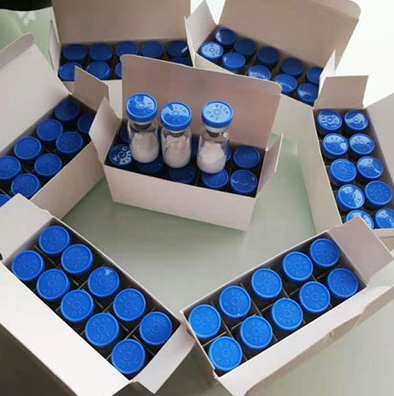
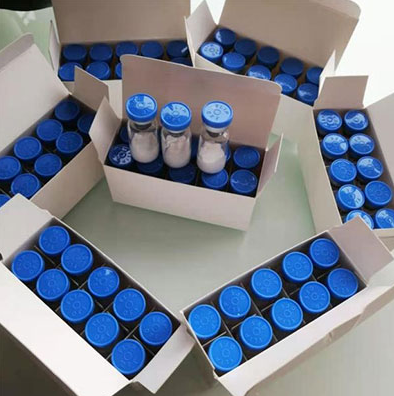
While pharmaceutical sales representatives themselves aren't directly involved in material science or manufacturing, a thorough understanding of these aspects is crucial for effective communication with healthcare professionals. The 'materials' in this context pertain to the drug formulation, packaging, and delivery systems. Active Pharmaceutical Ingredients (APIs) are manufactured under stringent Good Manufacturing Practices (GMP) guidelines, dictating purity, stability, and bioavailability. Excipients, the inactive ingredients, also undergo rigorous testing for compatibility and non-reactivity with the API. Manufacturing processes, including chemical synthesis, fermentation, and purification, are heavily documented and validated to ensure batch-to-batch consistency. Packaging materials—blisters, vials, bottles—are selected based on their barrier properties (oxygen transmission rate, water vapor transmission rate) to maintain drug integrity and shelf life. Material compatibility studies determine whether the drug formulation interacts with the packaging material, potentially leading to degradation or leaching. Furthermore, understanding the formulation’s physical properties (particle size, polymorphism) is vital as these influence drug dissolution and absorption. The raw materials themselves are sourced from validated suppliers, and a detailed supply chain audit trail is maintained for traceability. A key concern is the potential for counterfeiting, necessitating advanced packaging technologies like holograms and tamper-evident seals. Failure analysis of rejected batches during manufacturing often involves sophisticated analytical techniques like chromatography, spectroscopy, and microscopy to identify root causes of deviations.
Performance & Engineering
The 'performance' of a pharmaceutical sales representative is inextricably linked to their ability to effectively convey complex scientific information and build trust with healthcare professionals. This requires a deep understanding of pharmacokinetics (how the body processes the drug) and pharmacodynamics (how the drug affects the body). Engineering principles come into play with the development of presentation materials – visual aids, clinical trial summaries, and interactive digital tools. Force analysis applies to understanding the efficacy data; the statistical significance of clinical trial results must be accurately presented and interpreted. Environmental resistance is relevant to maintaining product integrity during shipping and storage; understanding temperature sensitivity and humidity control is crucial. Compliance requirements are paramount; reps must adhere to the Pharmaceutical Research and Manufacturers of America (PhRMA) Code on Interactions with Healthcare Professionals and all applicable regulations (FDA, EMA, etc.). Functional implementation involves effectively utilizing Customer Relationship Management (CRM) systems to track interactions, manage territories, and analyze sales data. Sales forecasting models rely on epidemiological data, market trends, and competitive analysis. Understanding payer systems and formulary management is critical, as reimbursement decisions significantly impact market access. A key performance metric is the representative's ability to demonstrate a return on investment (ROI) for healthcare providers by showcasing the clinical and economic benefits of the product.
Technical Specifications
| Key Performance Indicator (KPI) | Description | Target/Benchmark | Measurement Method |
|---|---|---|---|
| Call Frequency | Number of visits to target healthcare professionals per month. | 80% of target accounts visited at least twice monthly. | CRM tracking data. |
| Detailing Effectiveness | Healthcare professional understanding and recall of key product information. | 85% positive response on post-detailing knowledge assessment. | Post-detailing surveys and questionnaires. |
| Territory Coverage | Percentage of target healthcare professionals within the assigned territory reached. | 90% coverage of high-potential accounts. | CRM territory management data. |
| Prescription Influence | Change in prescribing patterns among target healthcare professionals. | 5% increase in market share within target accounts. | Prescription data analysis (e.g., IQVIA). |
| Key Opinion Leader (KOL) Engagement | Frequency and quality of interactions with influential healthcare professionals. | Minimum of 4 engagements with top 10 KOLs per quarter. | CRM activity logs and KOL feedback. |
| Compliance Adherence | Percentage of interactions compliant with PhRMA guidelines and company policies. | 100% compliance as assessed through audits. | Internal audit reports and training records. |
Failure Mode & Maintenance
‘Failure modes’ for a pharmaceutical sales representative manifest not as physical breakdowns, but as performance deficiencies. A common failure mode is ‘information fatigue’ – overwhelming healthcare professionals with excessive or poorly presented data. This leads to decreased engagement and reduced recall. Another failure mode is ‘relationship erosion’ – neglecting to build rapport or failing to address concerns effectively. ‘Compliance breaches’ – even unintentional violations of regulations – can result in severe penalties for both the rep and the company. ‘Territorial neglect’ – failing to adequately cover the assigned territory – leads to lost opportunities. ‘Competitive displacement’ – being unable to effectively counter competitor messaging – results in lost market share. ‘Maintenance’ in this context refers to continuous professional development. This includes ongoing training on new clinical data, updated regulations, and effective communication techniques. Regular coaching and mentoring from sales managers are critical. Maintaining a robust CRM database ensures accurate tracking of interactions and identifies areas for improvement. Active listening skills and empathy are essential for building strong relationships. Proactive identification and mitigation of potential compliance risks are paramount. Periodic performance reviews and feedback sessions provide opportunities for course correction and skill enhancement.
Industry FAQ
Q: What is the biggest challenge in staying current with the rapidly evolving scientific landscape of pharmaceutical products?
A: The sheer volume of new clinical trial data, research publications, and evolving treatment guidelines presents a significant challenge. Successful reps prioritize continuous learning through company-sponsored training, medical journal subscriptions, and attendance at professional conferences. Effective time management and the ability to synthesize complex information into concise, clinically relevant summaries are also essential.
Q: How do pharmaceutical sales reps navigate the increasing scrutiny regarding interactions with physicians and potential conflicts of interest?
A: Transparency and adherence to the PhRMA Code are paramount. Reps must clearly disclose any potential conflicts of interest and avoid providing inappropriate incentives to healthcare professionals. Focusing on providing unbiased, evidence-based information and engaging in ethical promotional practices are crucial for maintaining trust and credibility.
Q: What role does data analytics play in the modern pharmaceutical sales role?
A: Data analytics is increasingly critical. Reps utilize CRM systems to track interactions, analyze territory performance, identify high-potential accounts, and personalize their messaging. Prescription data analysis helps them understand prescribing trends and identify opportunities for intervention. Sales forecasting models rely on data-driven insights to optimize resource allocation.
Q: How are pharmaceutical sales reps adapting to the rise of digital detailing and remote engagement?
A: Digital detailing, including virtual presentations and webinars, is becoming increasingly prevalent. Reps are adapting by developing strong online communication skills and leveraging digital platforms to reach healthcare professionals. Maintaining a personalized approach and fostering meaningful connections remain essential, even in a remote environment.
Q: What is the importance of understanding reimbursement pathways and payer systems in pharmaceutical sales?
A: Understanding payer systems (insurance companies, pharmacy benefit managers) and formulary management is crucial. Reps need to be able to articulate the economic value of their products and demonstrate how they can reduce overall healthcare costs. Knowledge of reimbursement codes and coverage policies is essential for navigating the complex healthcare landscape.
Conclusion
The role of the pharmaceutical sales representative has evolved significantly, transitioning from a simple product detailer to a sophisticated scientific communicator and strategic partner to healthcare professionals. Success in this field requires a robust understanding of pharmaceutical science, clinical data, regulatory compliance, and sales techniques. The core function remains the effective dissemination of accurate, evidence-based information to improve patient outcomes.
Looking forward, the integration of artificial intelligence (AI) and machine learning (ML) will likely further transform the role, enabling personalized engagement and more targeted outreach. Continued emphasis on ethical conduct, transparency, and patient-centricity will be critical for maintaining trust and credibility within the healthcare community. The pharmaceutical sales representative, equipped with the right knowledge and skills, will continue to play a vital role in bridging the gap between scientific innovation and clinical practice.