
- +86-13363869198
- weimiaohb@126.com

Apr . 01, 2024 17:55 Back to list
Pharmaceutical Manufacturing what do you know about pharmaceutical industry Performance Analysis
Introduction
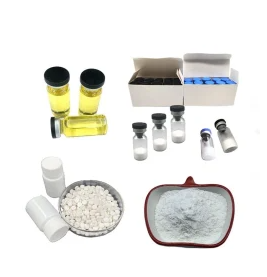
Pharmaceutical manufacturing encompasses the processes of creating medicinal drugs for the prevention, diagnosis, and treatment of disease. Positioned at a critical intersection of chemistry, biology, and engineering, the pharmaceutical industry represents a highly regulated and scientifically demanding sector. Core performance metrics revolve around drug efficacy, safety, bioavailability, stability, and consistent quality, all governed by stringent regulatory oversight. This guide will delve into the material sciences, manufacturing methodologies, performance characteristics, potential failure modes, and quality control protocols vital to the production of pharmaceutical products. The industry faces ongoing challenges including maintaining sterile environments, achieving precise dosage control, combating counterfeiting, and optimizing supply chain resilience. The increasing complexity of biologic drugs (proteins, antibodies, etc.) and personalized medicine further demand advanced manufacturing and analytical capabilities.
Material Science & Manufacturing
The pharmaceutical industry utilizes a diverse array of materials, categorized broadly into Active Pharmaceutical Ingredients (APIs) and excipients. APIs are the biologically active components responsible for the therapeutic effect, while excipients are inert substances that aid in drug delivery, stability, and formulation. APIs can range from small organic molecules synthesized through complex chemical processes, to large biomolecules produced through fermentation or cell culture. Common excipients include lactose, microcrystalline cellulose, starch, magnesium stearate, and various polymers. Manufacturing processes vary significantly depending on the drug form (solid dosage, liquid, injectable, etc.). Solid dosage forms, such as tablets and capsules, frequently involve granulation, blending, compression, and coating. Granulation improves powder flowability and compressibility. Blending ensures homogeneous API distribution. Compression forms the tablet. Coating protects the API, controls release, or masks taste. Liquid formulations require precise mixing, filtration, and sterilization. Injectables demand aseptic processing, stringent particulate control, and terminal sterilization. A critical parameter in API manufacturing is polymorph control. APIs can exist in multiple crystalline forms (polymorphs), each with different solubility and bioavailability. Manufacturing processes must be carefully controlled to consistently produce the desired polymorph. For biologics, upstream processing involves cell culture and fermentation, while downstream processing focuses on purification and formulation. Bioreactor control (temperature, pH, dissolved oxygen) and purification techniques (chromatography, filtration) are paramount. Material compatibility is crucial, especially concerning packaging materials (glass, plastics, elastomers) to prevent drug-container interactions and maintain stability.
Performance & Engineering
Pharmaceutical performance is assessed through rigorous testing, guided by pharmacopeial standards (USP, EP, JP). Drug dissolution, disintegration, hardness (for tablets), viscosity (for liquids), and sterility (for injectables) are key parameters. Environmental resistance is also critical. Drugs must maintain stability under various temperature, humidity, and light conditions. Packaging plays a vital role in protecting against these factors. Compliance with Good Manufacturing Practices (GMP) is non-negotiable. GMP regulations dictate stringent controls throughout the manufacturing process, including facility design, equipment qualification, process validation, personnel training, and documentation. Force analysis is relevant in tablet compression, ensuring sufficient compacting force for adequate hardness without causing capping or lamination. Bioavailability, the extent to which a drug reaches systemic circulation, is a crucial engineering consideration. Formulation strategies, such as particle size reduction, solid dispersion, and lipid-based formulations, are employed to enhance bioavailability. Drug release profiles are engineered to achieve desired therapeutic effects (immediate release, extended release, delayed release). Stability studies are performed to determine shelf life and storage conditions. Accelerated stability testing uses elevated temperatures and humidity to predict long-term stability. Process Analytical Technology (PAT) is increasingly used for real-time monitoring and control of critical process parameters, improving product quality and reducing variability.
Technical Specifications
| Parameter | Unit | Solid Dosage Form (Tablet) | Liquid Dosage Form (Syrup) |
|---|---|---|---|
| API Assay | % w/w | 95-105 | 90-110 |
| Dissolution (Q10 min) | % Released | ≥ 75 | N/A |
| Tablet Hardness | kgf | 40-80 | N/A |
| Viscosity | cP | N/A | 200-500 |
| Water Content | % w/w | ≤ 2.0 | ≤ 5.0 |
| Sterility (Injectables) | CFU/mL | 0 | 0 |
Failure Mode & Maintenance
Pharmaceutical products are susceptible to several failure modes. For solid dosage forms, common failures include tablet capping (separation of layers), lamination (splitting into layers), chipping (edge breakage), and sticking (adhesion to punches). These failures often arise from insufficient binder content, inadequate compaction force, or moisture uptake. Liquid formulations can exhibit sedimentation (particle settling), phase separation, and microbial growth. Injectable formulations are prone to particulate contamination, pyrogen contamination, and leakage. API degradation (hydrolysis, oxidation, photolysis) is a significant failure mode for all dosage forms, leading to reduced potency and formation of toxic degradation products. Packaging failures, such as permeation of oxygen or moisture, can also compromise product integrity. Preventive maintenance of manufacturing equipment is crucial. This includes regular calibration of instruments (balances, pH meters, HPLC systems), cleaning and sanitization of equipment, and replacement of worn parts. Equipment qualification (IQ, OQ, PQ) verifies that equipment is installed correctly, operates as intended, and consistently produces acceptable results. Change control procedures are essential to manage modifications to processes, equipment, or materials, ensuring that changes do not adversely affect product quality. Robust root cause analysis is necessary to investigate failures, identify contributing factors, and implement corrective and preventive actions (CAPA).
Industry FAQ
Q: What are the key challenges in scaling up pharmaceutical manufacturing from lab-scale to commercial production?
A: Scaling up presents challenges in maintaining process control, ensuring consistent product quality, and managing heat transfer and mixing. Parameters optimized at lab scale may not translate directly to larger reactors. Increased batch sizes can lead to non-uniform mixing and temperature gradients. Maintaining sterility and containment becomes more difficult at larger scales. Thorough process characterization and optimization are crucial, along with robust process analytical technology (PAT) implementation.
Q: How does GMP compliance impact the cost of pharmaceutical manufacturing?
A: GMP compliance significantly impacts costs. Investment in qualified personnel, validated equipment, robust documentation systems, and rigorous quality control testing is substantial. Ongoing maintenance, audits, and training also contribute to the overall cost. However, the cost of non-compliance (product recalls, regulatory penalties, damage to reputation) far outweighs the cost of compliance.
Q: What is the role of single-use technology in modern pharmaceutical manufacturing?
A: Single-use technology (SUT), such as disposable bioreactors, tubing, and connectors, is increasingly adopted for its advantages in reducing cleaning validation costs, minimizing cross-contamination risk, and increasing flexibility. SUT is particularly beneficial for biologic drug manufacturing. While initial costs can be higher, the long-term savings in cleaning and validation often outweigh the upfront investment.
Q: How are serialization and track-and-trace technologies used to combat counterfeit drugs?
A: Serialization involves assigning a unique serial number to each individual unit of a drug product. Track-and-trace technologies utilize these serial numbers to track the drug's movement throughout the supply chain. This helps to verify authenticity, prevent diversion, and identify counterfeit products. Regulations such as the Drug Supply Chain Security Act (DSCSA) in the US mandate serialization and track-and-trace.
Q: What are the challenges associated with manufacturing personalized medicines?
A: Personalized medicine, tailored to individual patient characteristics, presents unique manufacturing challenges. Small batch sizes, frequent changeovers, and complex supply chain logistics are common. Maintaining GMP compliance for individualized products requires flexible manufacturing processes and robust data management systems. Autologous therapies (using a patient’s own cells) require complex logistics for cell collection, processing, and delivery.
Conclusion
The pharmaceutical industry is a highly complex and regulated sector requiring meticulous attention to material science, manufacturing processes, and quality control. Maintaining drug efficacy, safety, and consistency are paramount, driven by stringent regulatory standards. Advanced technologies like PAT and single-use systems are increasingly adopted to enhance efficiency and reduce risk. Addressing challenges related to scalability, counterfeit prevention, and personalized medicine demands continued innovation in manufacturing strategies and analytical techniques.
Future trends will likely focus on continuous manufacturing, improved process understanding through advanced modeling and simulation, and greater integration of digital technologies (artificial intelligence, machine learning) for predictive maintenance and process optimization. The shift towards more complex biologics and cell therapies will further necessitate sophisticated manufacturing capabilities and robust quality control systems. Successful pharmaceutical manufacturers will prioritize adherence to GMP, continuous improvement, and a commitment to patient safety.