
- +86-13363869198
- weimiaohb@126.com

Apr . 01, 2024 17:55 Back to list
Pharmaceutical Company Material Science Manufacturing
Introduction
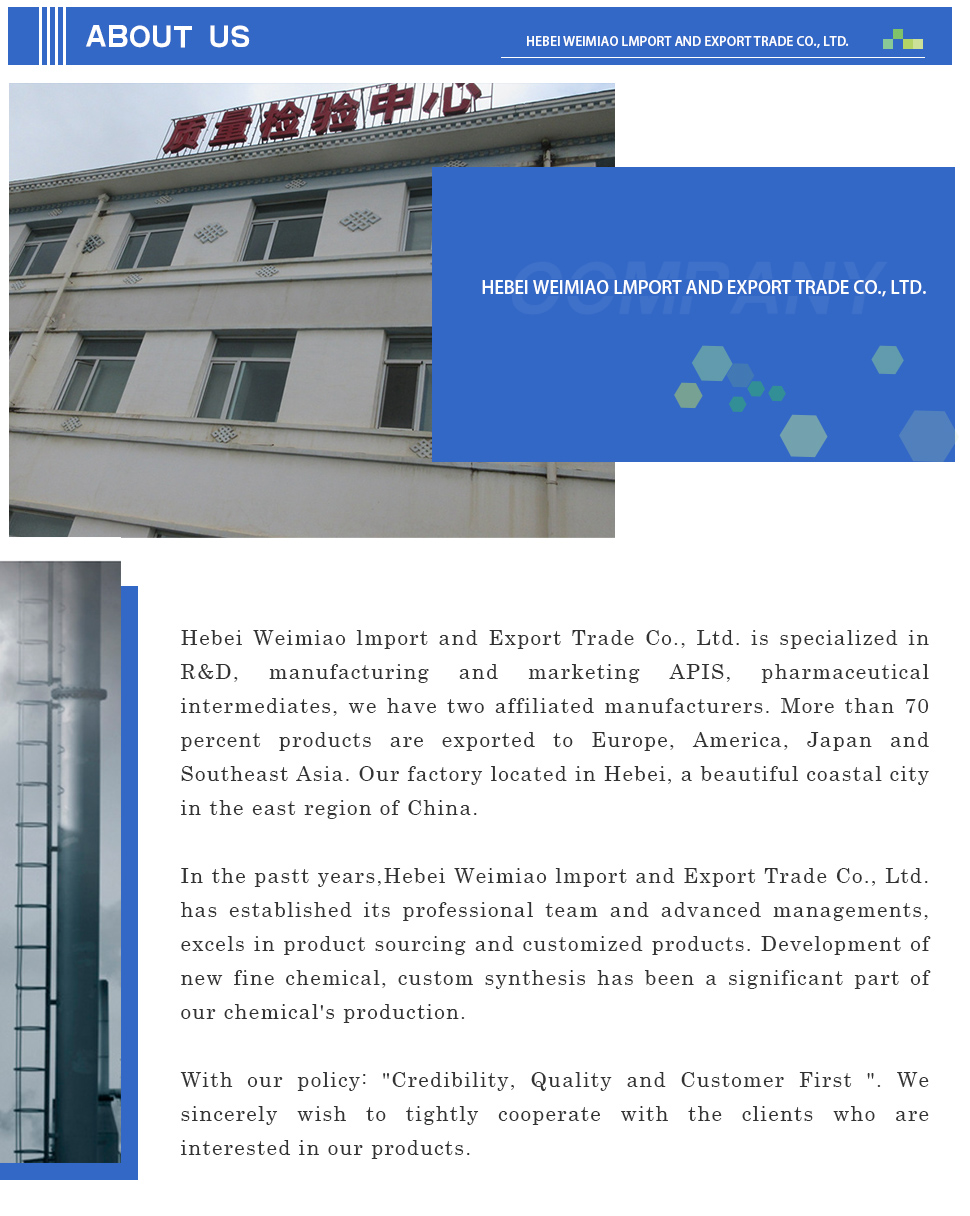
A pharmaceutical company is a commercial enterprise engaged in the research, development, production, and marketing of medications. These companies operate within a highly regulated environment, subject to stringent oversight by governing bodies like the FDA (Food and Drug Administration) in the United States, EMA (European Medicines Agency) in Europe, and similar agencies globally. The industry chain positions pharmaceutical companies as the culminating point of a complex process that begins with basic research, encompasses drug discovery, preclinical and clinical trials, manufacturing, quality control, and finally, distribution to pharmacies and healthcare providers. Core performance metrics revolve around efficacy, safety, bioavailability, and scalability of drug production. The key pain points for the industry lie in the escalating costs of research and development, the lengthy and uncertain regulatory approval processes, the prevalence of generic competition, and the increasing demand for personalized medicine. Pharmaceutical companies navigate these challenges through strategic patent protection, lifecycle management of products, and continuous innovation in drug delivery systems and therapeutic targets. A central challenge is balancing the need for profitability with the ethical imperative of providing access to life-saving medications.
Material Science & Manufacturing
The pharmaceutical industry relies on a diverse range of raw materials, from active pharmaceutical ingredients (APIs) – often synthesized through complex organic chemistry – to excipients that provide bulk, stability, and drug delivery characteristics. APIs themselves are often derived from natural sources (plants, microorganisms) or produced synthetically. Excipients include polymers (for controlled-release formulations), sugars (as fillers), and lipids (for liposomes). Material properties are paramount. For example, particle size distribution of APIs directly affects dissolution rate and bioavailability. Polymorphism, the ability of a solid material to exist in multiple crystalline forms, significantly impacts drug stability and efficacy. Manufacturing processes are highly specialized. Small molecule drugs are often produced via multi-step chemical synthesis, requiring precise control of reaction conditions (temperature, pressure, pH) and purification techniques (chromatography, crystallization). Biologics (proteins, antibodies, vaccines) are manufactured using cell culture techniques in bioreactors, demanding sterile conditions and careful monitoring of cell growth and protein expression. Formulation development—blending API with excipients—is crucial. Techniques include wet granulation, dry granulation, and direct compression for solid dosage forms, and emulsification, microencapsulation, and lyophilization for liquid and semi-solid formulations. Key parameter control includes maintaining stringent Good Manufacturing Practices (GMP) throughout the entire process, validating analytical methods, and ensuring traceability of all materials.

Performance & Engineering
Pharmaceutical product performance is assessed through rigorous testing and validation, covering efficacy, safety, stability, and manufacturability. Efficacy is established through clinical trials, demonstrating therapeutic benefit. Safety profiles are evaluated through preclinical toxicology studies and ongoing post-market surveillance. Stability studies, conducted under accelerated and long-term storage conditions, determine shelf life. Engineering considerations extend to drug delivery systems. Controlled-release formulations utilize polymer matrices to modulate drug release, optimizing therapeutic effect and reducing dosing frequency. Targeted drug delivery systems, such as liposomes and nanoparticles, aim to concentrate the drug at the site of action, minimizing systemic toxicity. Bioavailability, the fraction of administered drug reaching systemic circulation, is a critical performance parameter, influenced by factors such as solubility, permeability, and first-pass metabolism. Compliance requirements are extensive. Pharmaceutical companies must adhere to pharmacopoeial standards (USP, EP, JP) specifying quality and purity requirements for APIs and excipients. They also must comply with regulations regarding data integrity, process validation, and change control. Force analysis is relevant in the design of tablet compression machinery and packaging systems, ensuring product integrity during handling and transportation. Environmental resistance is assessed through stability testing, evaluating the impact of temperature, humidity, and light exposure on drug degradation.
Technical Specifications
| API Purity | Excipient Grade | Dissolution Rate (USP Type II) | Tablet Hardness |
|---|---|---|---|
| >99.5% (HPLC) | Pharmacopeial Grade | >80% in 30 minutes | 50-100 N |
| >98.0% (GC-MS) | Food Grade | >70% in 60 minutes | 40-80 N |
| >99.0% (Titration) | Analytical Reagent | >90% in 15 minutes | 60-120 N |
| >97.5% (LC-MS/MS) | USP/NF | >60% in 45 minutes | 70-110 N |
| >99.2% (NMR) | EP | >85% in 20 minutes | 55-95 N |
| >98.8% (IR Spectroscopy) | JP | >75% in 35 minutes | 45-75 N |
Failure Mode & Maintenance
Pharmaceutical products are susceptible to various failure modes. API degradation is a common issue, influenced by factors like temperature, humidity, and light exposure, leading to a reduction in potency. Excipient incompatibility can cause physical or chemical instability, affecting drug release and bioavailability. Tablet capping or lamination occurs due to insufficient binder strength or entrapped air. Blister pack failures (pinholes, delamination) can compromise product integrity. Biological products face unique challenges like protein aggregation, oxidation, and immunogenicity. Failure analysis involves identifying the root cause of the failure, often utilizing techniques like differential scanning calorimetry (DSC), thermogravimetric analysis (TGA), and microscopy. Maintenance strategies focus on preventative measures: strict adherence to GMP, robust process control, and regular equipment calibration. Stability testing is critical for predicting shelf life and identifying potential degradation pathways. Packaging materials must provide adequate barrier protection against moisture, oxygen, and light. For biologics, cold chain management is essential to maintain product integrity during storage and transportation. Continuous process verification (CPV) is implemented to monitor manufacturing processes and detect deviations before they lead to failures. Routine inspections and audits are conducted to ensure compliance with regulatory requirements.
Industry FAQ
Q: What is the role of validation in pharmaceutical manufacturing?
A: Validation is a critical process ensuring that a manufacturing process consistently produces a product meeting pre-determined specifications and quality attributes. It encompasses installation qualification (IQ), operational qualification (OQ), and performance qualification (PQ). IQ verifies equipment is installed correctly. OQ demonstrates the equipment operates as intended across its operating range. PQ confirms the entire process, including equipment and personnel, consistently delivers the desired product quality. Without robust validation, there’s a significant risk of producing substandard or unsafe medications.
Q: How does process analytical technology (PAT) improve pharmaceutical manufacturing?
A: PAT utilizes real-time measurements of critical process parameters (CPPs) and critical quality attributes (CQAs) to monitor and control manufacturing processes. This allows for proactive adjustments, reducing variability and improving product quality. Techniques include spectroscopy (NIR, Raman), process chromatography, and particle size analysis. PAT shifts from end-product testing to continuous monitoring and control, enabling a more efficient and robust manufacturing process.
Q: What are the key considerations when selecting excipients?
A: Excipient selection is crucial. Factors include compatibility with the API, impact on drug solubility and bioavailability, physical and chemical stability, manufacturing processability, and regulatory compliance. Excipients must be of appropriate grade (e.g., USP/NF, EP) and free from contaminants. The potential for excipient-API interactions must be thoroughly investigated to ensure product stability and efficacy.
Q: How are generic drugs approved and what is bioequivalence?
A: Generic drugs are approved based on demonstrating bioequivalence to the originator product. Bioequivalence means the generic drug delivers the same amount of API to the systemic circulation at the same rate as the originator drug. This is established through pharmacokinetic studies comparing the area under the curve (AUC) and peak plasma concentration (Cmax) of the generic and originator formulations. Generic drug approval relies on demonstrating equivalent safety and efficacy, not identical performance, as slight variations are acceptable within defined limits.
Q: What is the importance of data integrity in pharmaceutical operations?
A: Data integrity is paramount. All data generated during pharmaceutical research, development, and manufacturing must be attributable, legible, contemporaneous, original, and accurate (ALCOA principles). Non-compliance with data integrity regulations can lead to product recalls, regulatory sanctions, and damage to a company’s reputation. Robust data governance systems, audit trails, and electronic recordkeeping are essential for ensuring data integrity.
Conclusion
Pharmaceutical companies represent a complex intersection of scientific innovation, rigorous regulation, and commercial imperatives. Their core function – developing and delivering safe and effective medications – demands a deep understanding of material science, manufacturing processes, and performance engineering. Maintaining high standards of quality control, adhering to stringent compliance requirements, and proactively addressing potential failure modes are essential for ensuring patient safety and product efficacy. The pharmaceutical industry continues to evolve, driven by advancements in biotechnology, personalized medicine, and digital technologies, demanding continuous innovation and adaptation.
Looking ahead, the pharmaceutical industry faces challenges and opportunities in areas like continuous manufacturing, advanced drug delivery systems, and the integration of artificial intelligence in drug discovery. Successfully navigating these changes will require a commitment to scientific excellence, a proactive approach to regulatory compliance, and a patient-centric focus. The ability to translate complex scientific research into tangible health benefits remains the defining characteristic of a successful pharmaceutical company.