
- +86-13363869198
- weimiaohb@126.com

Apr . 01, 2024 17:55 Back to list
how to start a pharmaceutical company Material Science Manufacturing
Introduction
The establishment of a pharmaceutical company is a complex undertaking, heavily regulated and demanding substantial capital investment. This guide details the critical phases and considerations involved in successfully launching a pharmaceutical venture, covering aspects from initial research and development through to manufacturing, regulatory compliance, and market entry. The pharmaceutical industry occupies a unique position within the healthcare chain, bridging fundamental scientific discovery with tangible patient benefit. Its core performance revolves around the discovery, development, production, and marketing of medications to diagnose, cure, treat, or prevent disease. The industry faces significant challenges including escalating R&D costs, stringent regulatory requirements, patent expirations, and increasing generic competition. Success necessitates a robust business plan, a deep understanding of the regulatory landscape, and a commitment to rigorous quality control. This guide will analyze the foundational elements required to navigate these challenges effectively.
Material Science & Manufacturing
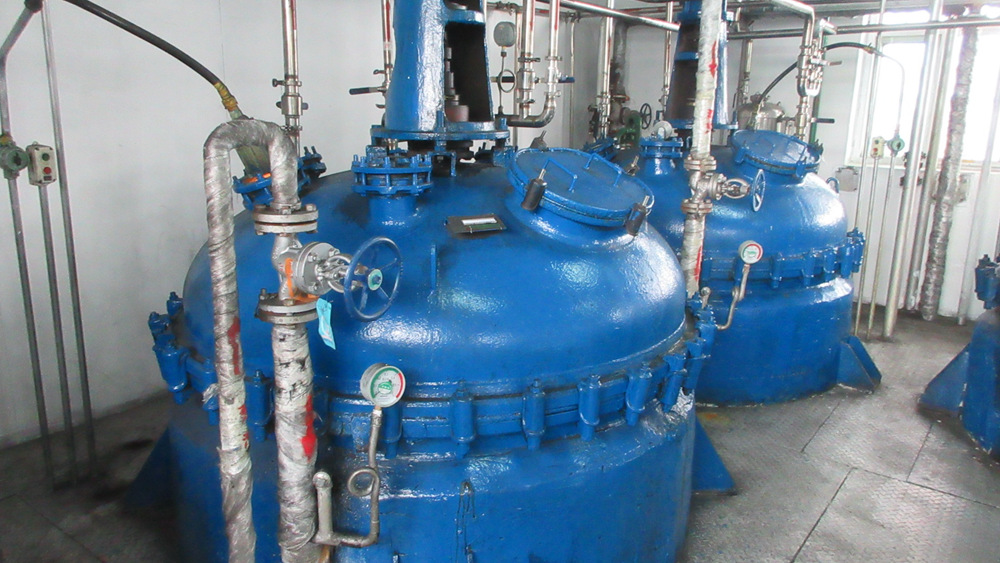
Pharmaceutical manufacturing relies on diverse material sciences. Active Pharmaceutical Ingredients (APIs) require precise synthesis, demanding expertise in organic chemistry, crystallization techniques, and polymorphism control. Raw material sourcing is paramount; APIs must meet stringent purity standards outlined in pharmacopoeias (USP, EP, JP). Excipients, while inert, significantly impact drug delivery – their properties (particle size, density, compressibility) must be carefully characterized. Manufacturing processes vary depending on the dosage form. Solid dosage forms (tablets, capsules) utilize granulation, blending, compression, and coating. Liquid dosage forms (solutions, suspensions) necessitate precise mixing, filtration, and sterilization. Sterile manufacturing (injectables) demands aseptic processing within controlled environments (Class 100 cleanrooms) and terminal sterilization or sterile filtration. Critical process parameters (CPP) – temperature, pressure, mixing speed – are meticulously monitored and controlled using Process Analytical Technology (PAT) to ensure batch-to-batch consistency. The materials utilized in manufacturing equipment (stainless steel 316L, specialized polymers) must be chemically compatible with the APIs and excipients to prevent leaching or contamination. Validation of manufacturing processes, following ICH guidelines (Q7, Q9, Q10), is essential to demonstrate reproducibility and reliability.

Performance & Engineering
Pharmaceutical product performance hinges on bioavailability, stability, and efficacy. Bioavailability—the rate and extent to which the API is absorbed—is engineered through formulation strategies such as particle size reduction, salt selection, and lipid-based drug delivery systems. Stability studies, conducted under accelerated and long-term storage conditions (ICH Q1A), assess the API's degradation profile and determine shelf life. For injectables, particulate matter analysis (USP <788>) is crucial to ensure sterility and prevent adverse reactions. Engineering controls are essential to maintain product quality. HVAC systems provide controlled temperature and humidity. Water purification systems (reverse osmosis, deionization) deliver pharmaceutical-grade water. Process validation, employing statistical process control (SPC), minimizes process variation and ensures consistent product quality. Compliance with Good Manufacturing Practices (GMP) – as defined by regulatory agencies (FDA, EMA) – is non-negotiable. Equipment qualification (IQ, OQ, PQ) verifies that manufacturing equipment operates as intended. Risk assessment (FMEA) identifies potential failure modes and implements preventative measures. The integrity of packaging materials – blister packs, vials, ampoules – is critical to protect the product from environmental factors (moisture, light, oxygen).
Technical Specifications
| API Purity (HPLC %) | Dissolution Rate (USP Apparatus 2, % released in 30 mins) | Sterility Assurance Level (SAL) | Endotoxin Levels (EU/mL) |
|---|---|---|---|
| >99.5 | >80 | 10-6 | <0.5 |
| >98.0 (for complex molecules) | >75 | 10-6 | <1.0 |
| >99.0 (for generic APIs) | >85 | 10-6 | <0.2 |
| >97.0 (for APIs with known impurities) | >70 | 10-6 | <2.0 |
| >99.2 (for peptides) | >60 | 10-6 | <0.1 |
| >98.5 (for fermentation products) | >70 | 10-6 | <1.5 |
Failure Mode & Maintenance
Pharmaceutical product failures can stem from diverse sources. API degradation (hydrolysis, oxidation) is a common failure mode, mitigated through optimized formulation and packaging. Excipient incompatibility can lead to precipitation or altered drug release. Sterile product failures can arise from contamination during manufacturing or compromised container closure integrity. Tablet defects (capping, lamination, friability) often relate to inadequate compression force or poor excipient flow. Maintenance of manufacturing equipment is paramount. Preventive maintenance schedules (lubrication, filter replacement, calibration) minimize downtime and ensure accurate performance. Calibration of analytical instruments (HPLC, GC, spectrophotometers) is critical for reliable data. Regular cleaning and sanitization of manufacturing areas prevent microbial contamination. Change control procedures (ICH Q7) are essential to manage modifications to equipment, processes, or materials. Failure analysis – root cause investigation – is crucial to identify the underlying causes of failures and implement corrective and preventative actions (CAPA). Maintaining a robust quality management system (QMS) is fundamental to preventing failures and ensuring product quality.
Industry FAQ
Q: What are the primary regulatory hurdles in bringing a new drug to market?
A: The regulatory pathway is complex, varying by region. In the US, the FDA requires a New Drug Application (NDA) or Biologics License Application (BLA) demonstrating safety and efficacy through rigorous preclinical and clinical trials (Phase 1, 2, 3). The EMA in Europe has similar requirements. These applications require comprehensive data on chemistry, manufacturing, controls (CMC), pharmacology, toxicology, and clinical study results. Navigating these processes demands significant expertise and substantial financial investment.
Q: How critical is intellectual property (IP) protection in the pharmaceutical industry?
A: IP protection is paramount. Patents on APIs, formulations, and manufacturing processes provide market exclusivity, essential for recouping R&D costs. Strategic patent filing, including composition-of-matter patents, formulation patents, and process patents, is crucial. Maintaining strong IP portfolios and vigorously defending them against infringement are vital for long-term success.
Q: What are the key considerations for selecting a Contract Manufacturing Organization (CMO)?
A: CMO selection involves careful due diligence. Assess the CMO’s GMP compliance record (FDA inspections), technical capabilities (dosage form expertise), capacity, quality systems, and cost structure. Ensure the CMO can meet your specific manufacturing requirements and maintain the required level of confidentiality. A thorough audit is essential before awarding a contract.
Q: What are the typical R&D costs associated with developing a new pharmaceutical product?
A: R&D costs are substantial, often exceeding $2.6 billion to bring a single new drug to market, according to recent estimates. Costs are driven by preclinical studies, clinical trials (which represent the largest expense), regulatory submissions, and potential failures. Effective project management and strategic partnerships can help mitigate these costs.
Q: What are the major risks associated with pharmaceutical manufacturing and how are they mitigated?
A: Risks include contamination, process variability, supply chain disruptions, and regulatory non-compliance. Mitigation strategies include robust quality control systems, validated manufacturing processes, redundant sourcing of critical materials, and continuous monitoring of critical process parameters. A proactive risk management approach is essential.
Conclusion
Establishing a pharmaceutical company is a multifaceted venture requiring rigorous adherence to scientific principles, stringent regulatory standards, and astute business acumen. Success hinges on a robust understanding of material science, meticulous manufacturing controls, and a commitment to uncompromising quality. The process demands substantial capital investment, dedicated expertise, and a long-term perspective.
Future trends in the pharmaceutical industry, such as personalized medicine, gene therapy, and continuous manufacturing, will necessitate further innovation and adaptation. Companies that embrace these advancements and prioritize patient safety will be best positioned for sustained growth and impact. The ability to navigate the evolving regulatory landscape and maintain a proactive approach to risk management will be crucial for long-term viability.